
The Complete Guide to Hermès Leathers: Do You Know Them All?

The Magic Behind Those Orange Boxes
Who doesn’t love Hermès? Who doesn’t get excited about those orange boxes? But do you really understand what makes Hermès so special? Sure, everyone knows about Birkins and Kellys and how they got their names, but there’s something even more important you should know about – the amazing leathers they use!
Why So Expensive? The Secret Is in the Leather
Ever wonder why Hermès bags cost so much money? The answer is hiding in those beautiful leathers, along with the incredible craftsmanship that goes into making each bag.
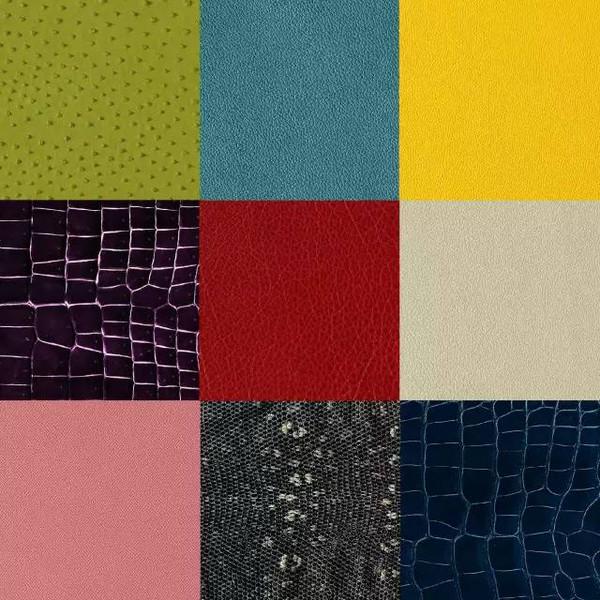
Leather is a huge part of what makes Hermès so famous. The best leather suppliers in the whole world give Hermès first pick of their finest materials before any other fashion brand gets a chance to see them. Hermès is super picky about their leather – people say they only use about 10% of all the good leather they look at. The rest just isn’t perfect enough!
Some fashion experts use the phrase “unwavering dedication” to describe how Hermès feels about leather. They’re always looking for and using new types. Clemence bull calf, Togo calf, Barenia calf, and Epsom calf are just a few examples. Feeling confused yet? Aren’t they all just cow leather? Not at Hermès! For them, there’s never just one simple type of leather. They also use many unusual leathers like Doblis suede goatskin, Niloticus crocodile, and even lizard skin.
This endless search for perfect leather gives Hermès an amazing collection of materials to work with. But it’s what happens next that really makes Hermès bags so special. The handcrafting process – tanning, washing, finishing, trimming, and stitching – turns these already beautiful leathers into something more than just material. They become part of human culture and the bags that women dream about owning.
So whether you can afford one now, or hope to buy one someday, or just want to sound smart when talking about fancy bags, learning about these leathers will give you something interesting to talk about and make you feel more confident!
The Leather Encyclopedia: 27 Amazing Hermès Leathers
1. Barenia Natural
Barenia is one of the most special leathers Hermès uses. It has a smooth surface with a natural, soft shine. If it gets scratched, you can usually rub the marks away pretty easily. It’s also not super afraid of rain and has some water resistance.
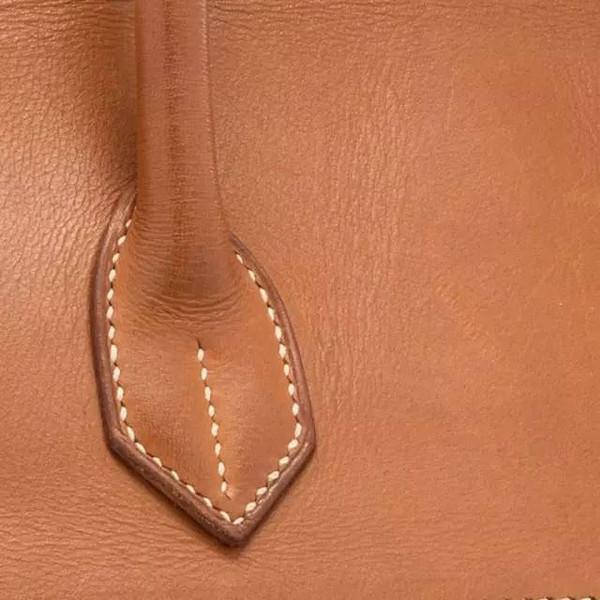
What makes Barenia extra special is that it develops a beautiful golden-brown color called a “patina” over time. This means the more you use a Barenia bag, the more beautiful and unique it becomes! This leather comes from the same tradition used to make horse saddles, which is why it’s sometimes called “saddle leather.”
Celebrities who love natural-looking bags often choose Barenia because it looks better with age, unlike some other leathers that need to stay perfect. It’s like having a bag that tells the story of all your adventures!
2. Box Calf
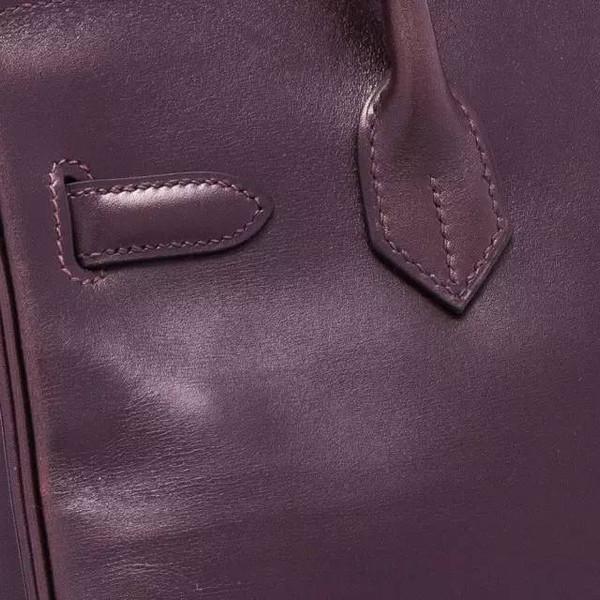
Legend has it that Box Calf is the leather Hermès has used the most throughout its history. It’s super smooth with a beautiful shine, but it’s also surprisingly lightweight. The downside is that it scratches easily and is quite delicate. You definitely don’t want to take this leather out in the rain!
The Complete Guide to Hermès Leathers: Do You Know Them All
Box Calf has a special place in Hermès history. The very first Kelly bags were made with this leather, and vintage Box Calf bags are highly sought after by collectors. The shine on Box Calf is natural – not from any coating or treatment – which is why bag experts love it so much.
When properly cared for, Box Calf develops a gorgeous patina over decades. Some of the most valuable vintage Hermès bags are made from Box Calf that has been lovingly used for generations!
3. Buffalo
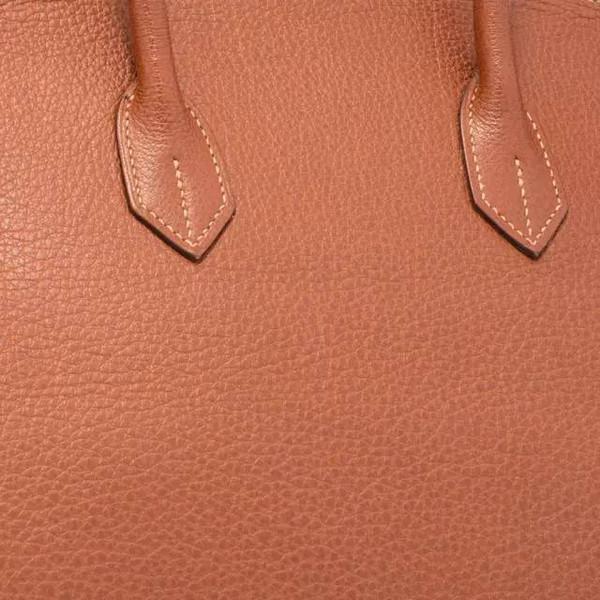
Buffalo leather has a noticeable grain texture – it’s not smooth but has a bumpy feel. The good news is that it’s water-resistant! When this leather is dyed, the color tends to gather in the center of each little grain, which can make it look like it has tiny spots or dots.
The Complete Guide to Hermès Leathers: Do You Know Them All
Buffalo leather is much tougher than calf leather, making it perfect for bags that will see a lot of use. It’s less common in Hermès collections than some other leathers, which makes bags made from Buffalo leather somewhat rare and special.
The natural grain pattern of Buffalo leather means that no two bags will ever look exactly the same. Each one has its own unique texture and character!
4. Chamonix
Chamonix is like a matte version of Box Calf. After special treatment, it gets a suede-like matte finish that doesn’t show scratches easily. It’s named after Chamonix, a beautiful mountain town in France, perhaps because its subtle texture resembles the soft snow on mountains.
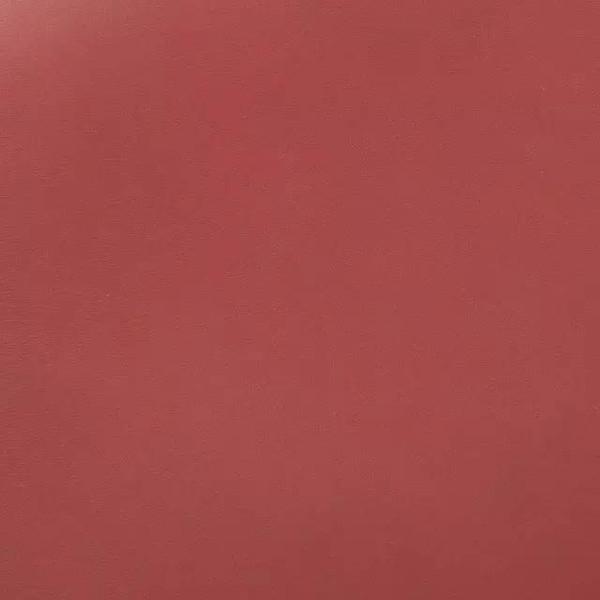
This leather is often used for structured bags because it holds its shape well. While not as famous as some other Hermès leathers, Chamonix has a loyal following among people who prefer an understated, elegant look rather than a shiny finish.
Chamonix feels velvety to the touch, almost like a very fine suede, but it’s actually smooth leather. This unique texture makes it stand out from other Hermès leathers.
5. Chèvre de Coromandel
This leather comes from Coromandel goats. It’s soft, shiny, and lightweight. Scratches don’t show up easily on this leather, making it one of the more durable goatskin options Hermès offers.
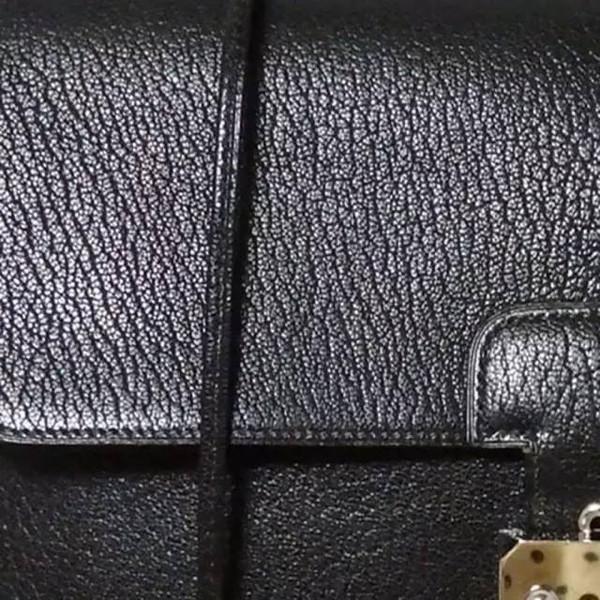
Goatskin leathers like Chèvre de Coromandel are naturally water-resistant because of the oils in the skin. This makes them practical choices for everyday bags, especially in places where it rains a lot!
The name “Coromandel” comes from the Coromandel Coast in India, showing how Hermès often names their leathers after exotic locations around the world. This leather is especially popular for smaller bags and accessories.
6. Chèvre Mysore
Chèvre Mysore is similar to Chèvre de Coromandel, but it has a finer grain texture and feels more like suede. It’s not quite as scratch-resistant as Coromandel, though. This leather comes from goats raised in the Mysore region of India, famous for its high-quality leather production.
The fine grain of Mysore goatskin makes it perfect for taking bright colors. Some of the most vibrant Hermès bags are made from Chèvre Mysore because the colors look especially rich and beautiful on this leather.
Bag collectors often seek out Chèvre Mysore pieces because this leather is used less frequently than some others, making it more special and unique in a collection.
7. Clemence
Clemence is one of Hermès’ most popular leathers. It’s made from the skin of young bulls over one year old. Compared to the classic Togo leather, Clemence is heavier and has more of a matte look. The grain is slightly larger, and the leather is softer, which means bags made from Clemence might not hold their shape as well over time.
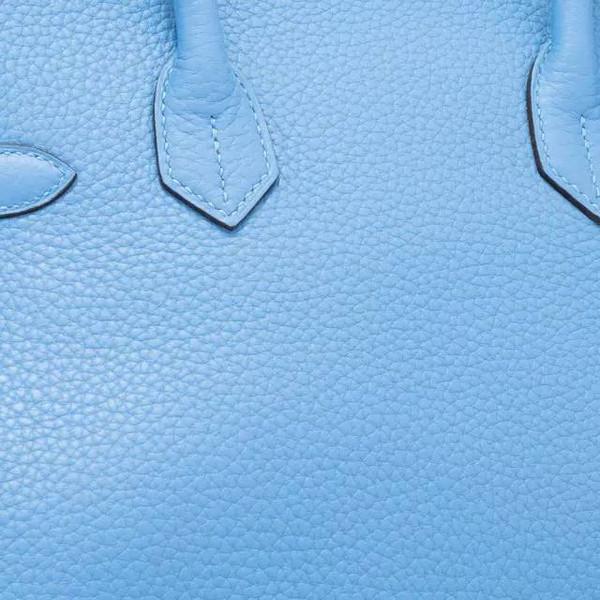
While Clemence is quite durable, it’s very afraid of water! Even a small drop can cause little bubbles on the surface and damage the leather. Despite this weakness, many people love Clemence for its beautiful slouchy look and how the large grain catches the light.
Clemence bags tend to get softer and more relaxed with use, developing a comfortable, lived-in look that many Hermès lovers prefer over stiffer leathers. It’s perfect for people who like their bags to look a bit more casual and less formal.
8. Doblis Suede
Doblis is a traditional suede made from goatskin. One nice thing about this leather is that scratches tend to polish out over time and become less visible. However, it absolutely hates moisture and can be permanently damaged by water.
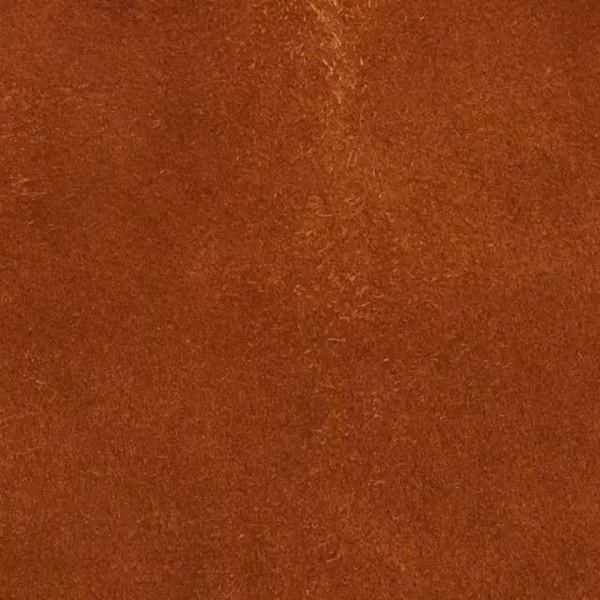
This delicate leather is most often used for evening bags and special occasion pieces rather than everyday bags. The soft, velvety texture of Doblis makes it look especially luxurious under lights at fancy events.
Caring for Doblis requires special attention. Owners need to use suede brushes and keep these bags stored in dust bags when not in use. Despite the extra care needed, the beautiful depth of color and texture make Doblis worth the effort for many collectors.
9. Epsom
Epsom is a classic and popular calf leather with a firm feel and fine texture, though it’s relatively heavy. The grain is smaller than Togo’s, and the leather is stiffer. It has a beautiful shine, but the same color will usually look darker in Epsom than in other leathers. It’s quite resistant to scratches and wear.
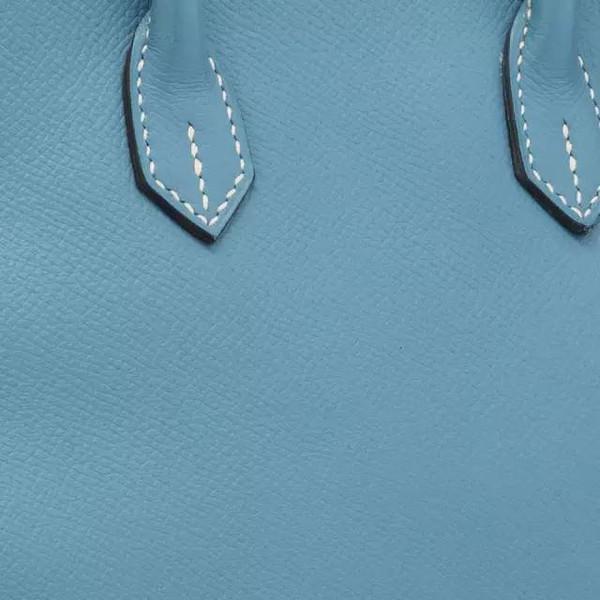
One big advantage of Epsom is that it’s embossed leather (the texture is pressed into it), which means it’s more resistant to scratches and water than many natural-grain leathers. This makes it a practical choice for everyday bags.
Epsom holds its shape extremely well, so bags made from this leather will maintain their structured look for many years. This is why it’s often chosen for the classic Kelly bag, which looks best when it keeps its perfect shape.
10. Evercalf: The Gentle Giant
Evercalf is like the softer cousin of Box Calf leather! While they look similar at first glance, Evercalf feels much cushier when you touch it. Imagine if your favorite teddy bear was made into a handbag – that’s how soft Evercalf can feel! This leather was introduced in the early 2000s and quickly became popular with Hermès fans who wanted something luxurious but with a gentler feel.
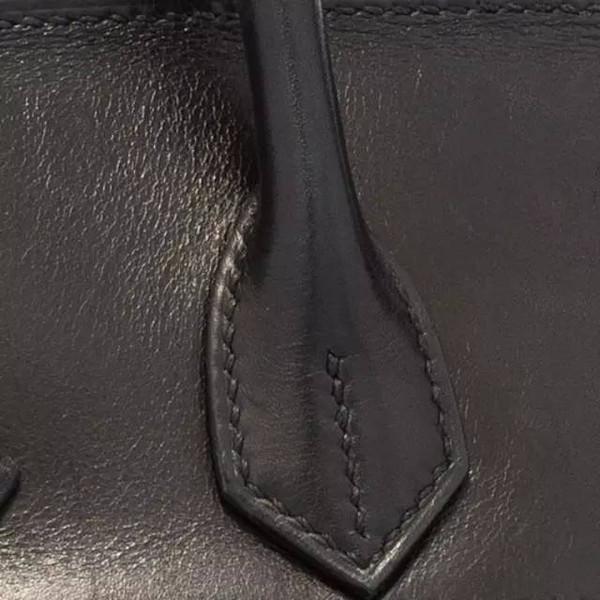
When you see an Evercalf bag, you might notice it has a smooth surface that looks almost like butter. The craftspeople at Hermès love working with this leather because it takes color really well, making bags in bright blues and reds look super vibrant! However, just like how your school shoes can get scuffed on the playground, Evercalf can get scratched easily, so owners need to be extra careful with their precious bags.
11. Evergrain: The Textured Twin
Evergrain is basically Evercalf’s twin sister with a cool twist – it has tiny little bumps all over it! These small grains give the leather an interesting texture that feels awesome when you run your fingers across it. The best part? Those little bumps actually help protect the leather from scratches!
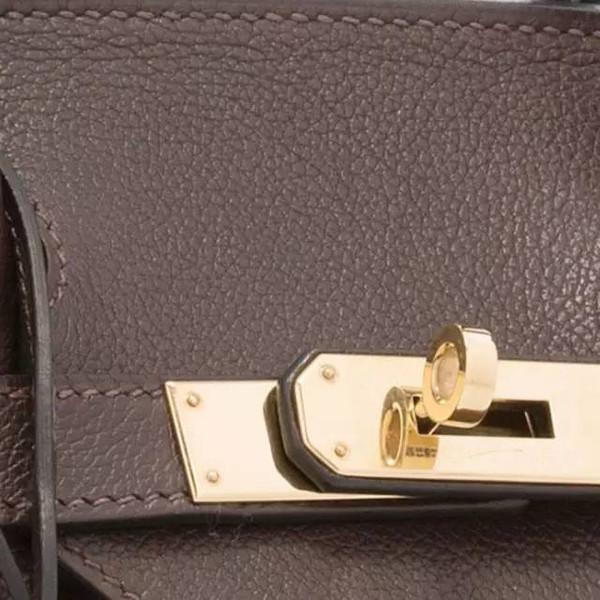
Introduced in 2004, Evergrain quickly became a hit because it combines the buttery softness of Evercalf with added durability. It’s like wearing a soft sweater with protective elbow patches! If you accidentally scratch an Evergrain bag, don’t panic – small scratches can often be gently rubbed away with your finger. For bigger oopsies, a professional leather doctor can usually fix it right up!
Kids who love science might find it interesting that the grain pattern on Evergrain isn’t natural – it’s actually carefully pressed into the leather using special machines at the Hermès workshops. Pretty neat, huh?
12. Fjord: The Heavyweight Champion
Fjord leather is like the strong kid in class who can carry all the books! Made from adult bull hide, this leather is thick, sturdy, and has a flat grain pattern that looks super cool. While it’s definitely on the heavier side (imagine carrying your backpack with a few extra books), Fjord makes up for its weight by being incredibly durable.
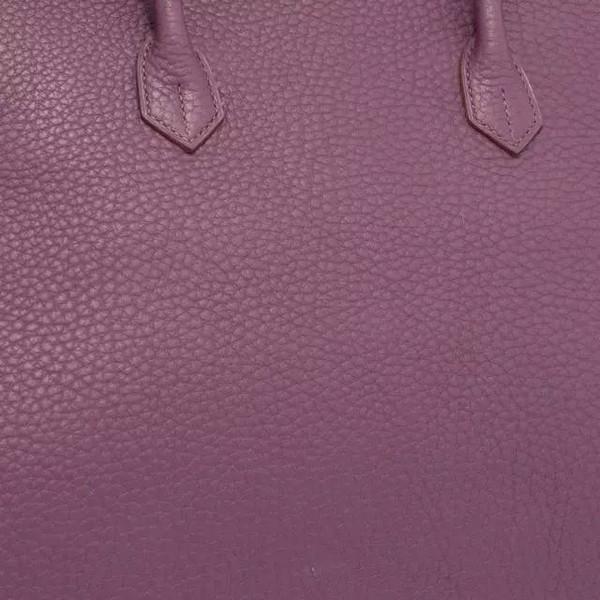
One awesome thing about Fjord leather is that it’s pretty water-resistant – if a few raindrops land on it, they’ll usually just roll right off instead of soaking in and causing damage. This makes Fjord perfect for people who live in rainy places like Seattle or London!
Hermès craftspeople often choose Fjord for larger bags like the HAC (that’s short for Haut à Courroies, a super big cousin of the famous Birkin bag). The leather’s natural strength helps these bigger bags keep their shape even when they’re stuffed full of things.
13. Lizard: The Delicate Beauty
Lizard skin is one of the fanciest leathers Hermès uses – and one of the most expensive too! It comes from real lizards and has tiny scales that create an amazing pattern no human could ever copy perfectly. Each lizard skin is unique, kind of like how every person has different fingerprints!
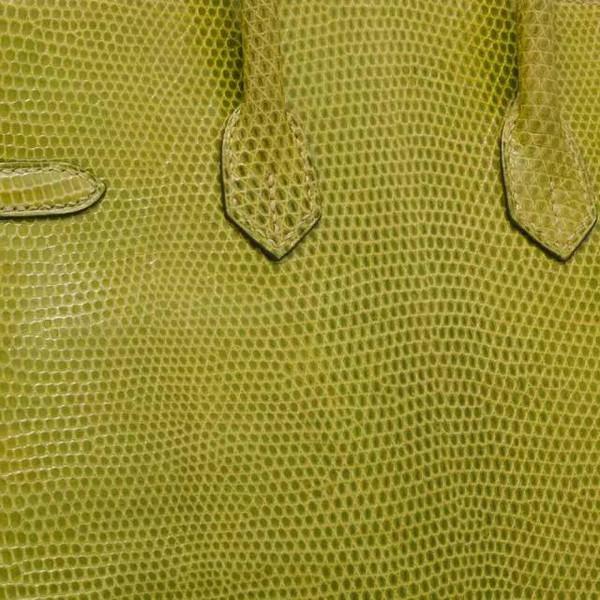
Because lizards are small animals, their skin can only be used for tiny bags and accessories like wallets or the small Kelly pochette clutch bags. A full-sized Birkin made from lizard? That would take way too many lizards!
Owning a lizard skin item means being super careful – this leather is afraid of water and sunlight (kind of like a vampire in those movies!). If lizard leather gets wet or sits in bright light too long, it can get damaged forever. That’s why lizard bags are special occasion treasures, not everyday carry-around bags.
14. Matte Alligator: The Luxury King
If lizard is fancy, then matte alligator is SUPER fancy! This incredibly luxurious leather comes from alligators raised on special farms in Florida. The matte (non-shiny) finish gives it a sophisticated, understated look that many Hermès collectors consider the ultimate status symbol.
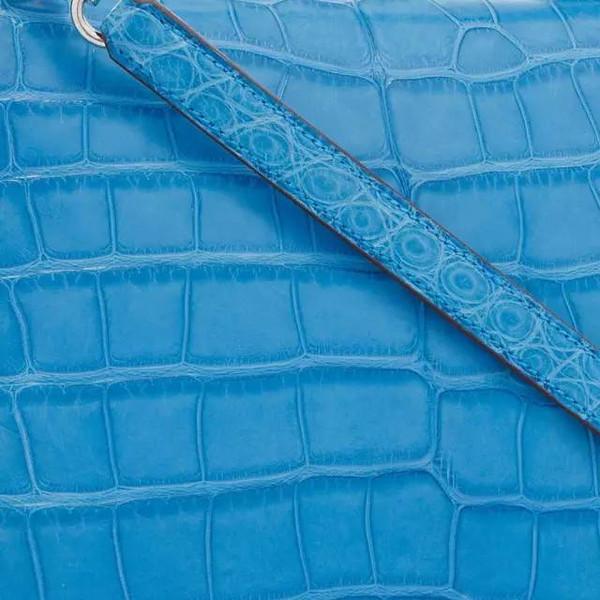
Interestingly, matte alligator usually costs more than shiny alligator leather. This is because the process to create that perfect matte finish is super complicated and requires extra special skills from the Hermès artisans. Each scale on the alligator skin creates a beautiful pattern that makes every bag one-of-a-kind.
A Birkin bag made from matte alligator can cost as much as a car or even a small house! These bags are so rare and special that some people collect them like precious artwork, keeping them in special dust bags and boxes when not in use.
15. Togo: The People’s Champion
Togo is the superstar of Hermès leathers! It’s the most popular choice for the famous Birkin bag, and for good reason. Made from the head and neck area of young bulls, Togo has a distinctive pebbled texture that feels slightly raised under your fingers.
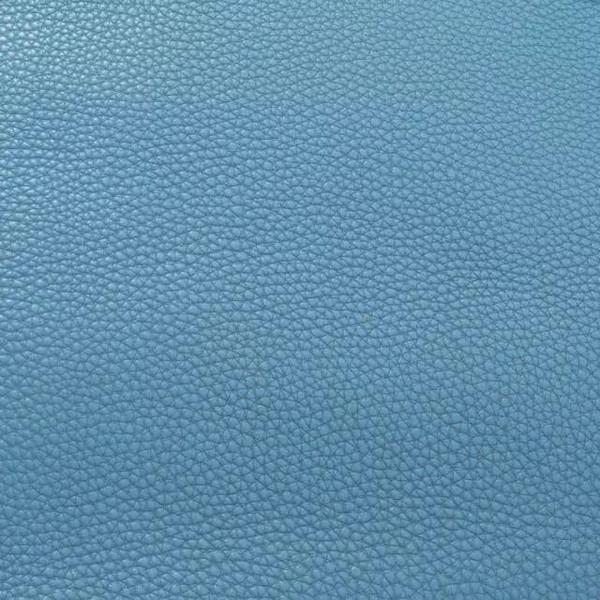
What makes Togo so awesome? It’s like the perfect student who’s good at everything! It’s relatively lightweight, keeps its shape well, feels soft to touch, and is super durable. If you accidentally scratch a Togo bag, the textured surface helps hide minor scratches – kind of like how a patterned shirt hides small stains better than a plain one!
Togo was introduced in 1997 during Hermès’ “Year of Africa” celebration and was named after the African country. If you look closely at Togo leather, you might notice little lines called “veining” – these natural markings are actually considered desirable and show that your bag is authentic. Counterfeiters (people who make fake bags) have a hard time copying these veins correctly!
16. Ostrich: The Polka Dot Princess
Ostrich leather is instantly recognizable because of its unique “polka dot” pattern! These dots aren’t just for show – they’re actually the spots where feathers once grew on the ostrich. Cool, right? This leather comes from ostriches raised on farms in South Africa and is prized for being both lightweight and incredibly durable.
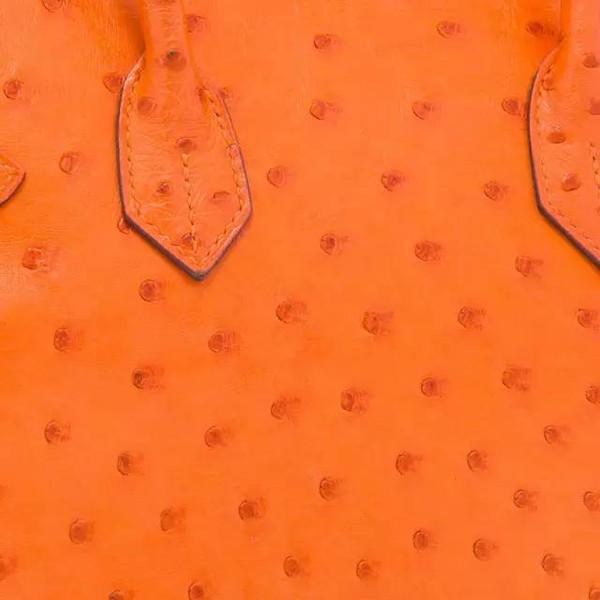
One of the most interesting things about ostrich leather is that it changes over time. When you first get an ostrich bag, it might feel a bit stiff, but with use, it becomes softer and more flexible – kind of like how new shoes need to be “broken in.” Another fun fact: the oils from human skin can make ostrich leather darker over time, especially on handles and areas you touch often. Some Hermès collectors actually love this patina effect and see it as the bag developing character!
Ostrich leather is also surprisingly tough for how light it is. While you still need to treat it with care, it’s more resistant to scratches and water than many other exotic leathers.
17. Swift: The Color Champion
Swift leather (formerly called Gulliver until 1999) is the perfect choice when you want a bag in a super bright, eye-popping color! This smooth, soft leather absorbs dye incredibly well, making colors look extra vibrant – like the difference between regular colored pencils and those special ones that seem to glow on the page!
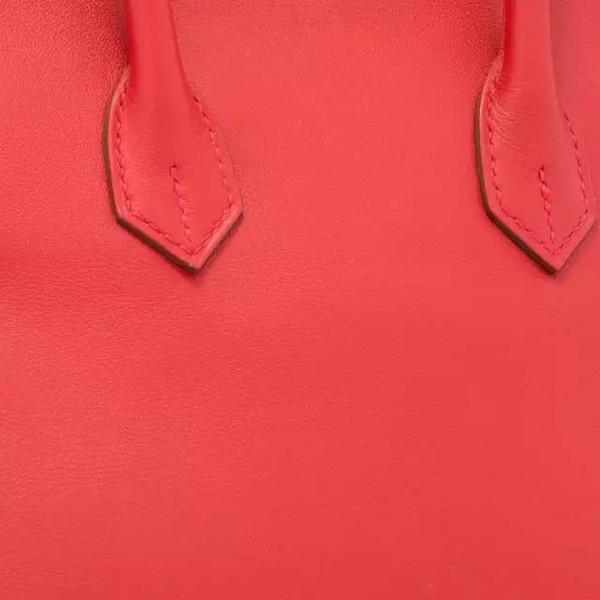
Because Swift is so soft and flexible, Hermès often uses it for bags designed to have a slouchy, relaxed look, like the popular Lindy bag. It’s not the best choice if you want a bag that stands up straight and keeps its shape perfectly.
While Swift can get scratched more easily than some other leathers, there’s a cool silver lining – minor scratches tend to fade away over time as the leather develops its natural patina. Some special colors like Rose Azalea (a bright pink) and Rose Sakura (a soft pink) are only available in Swift leather because other leathers can’t show these delicate colors as beautifully!
18. Shiny (Lisse) Alligator: The Glamour Queen
If matte alligator is sophisticated and understated, then shiny alligator is all about the GLAM! This incredibly luxurious leather gleams like it’s been polished with magic. The special glazing process gives it an almost mirror-like finish that catches the light beautifully.
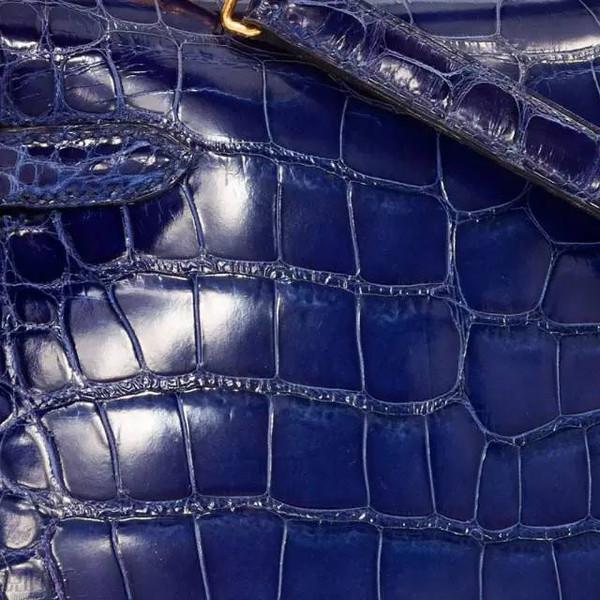
Unlike regular alligator skin, shiny alligator doesn’t show as much of the natural texture and tiny lines between scales. Instead, it has a smoother, more uniform appearance that some collectors find absolutely irresistible. Hermès often reserves this ultra-special leather for limited edition bags or special orders for their most important customers.
Owning a shiny alligator bag means being extra careful – scratches show up more obviously on the glossy surface, and the glazing can be damaged by harsh conditions. These bags are definitely not for everyday use but are more like wearable treasures for special occasions!
19. Matte Niloticus Crocodile: The Exotic Beauty
Niloticus crocodile leather comes from crocodiles that live in the Nile region of Zimbabwe (that’s in Africa!). The matte version has a sophisticated, non-shiny finish that many Hermès collectors prefer over the glossy version.
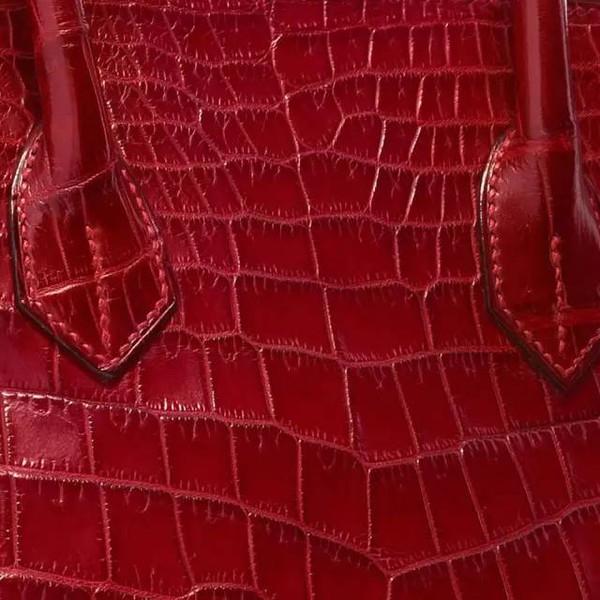
While matte Niloticus crocodile is more expensive than shiny Niloticus, it’s actually a bit less expensive than Porosus crocodile (which comes from Australia). Each type of crocodile skin has slightly different scale patterns and textures, and serious Hermès collectors can often tell them apart just by looking!
Crocodile leather is generally quite durable, but it has one major enemy: water! Owners need to be super careful to keep their precious croc bags dry, or the leather might get discolored or damaged. That’s why you’ll never see someone carrying their crocodile Birkin in the rain without an umbrella or protective cover!
The scales on Niloticus crocodile are slightly smaller and more uniform than those on Porosus crocodile, giving bags a more consistent, refined appearance that many fashion experts consider timeless and elegant.
20. Shiny Niloticus Crocodile
Imagine the shiniest, most eye-catching leather you’ve ever seen! That’s what Shiny Niloticus Crocodile is all about. This super fancy leather comes from crocodiles that live near the Nile River in Zimbabwe . When you look at a bag made from this leather, you’ll notice it has bigger, more rectangle-shaped scales compared to other crocodile leathers .
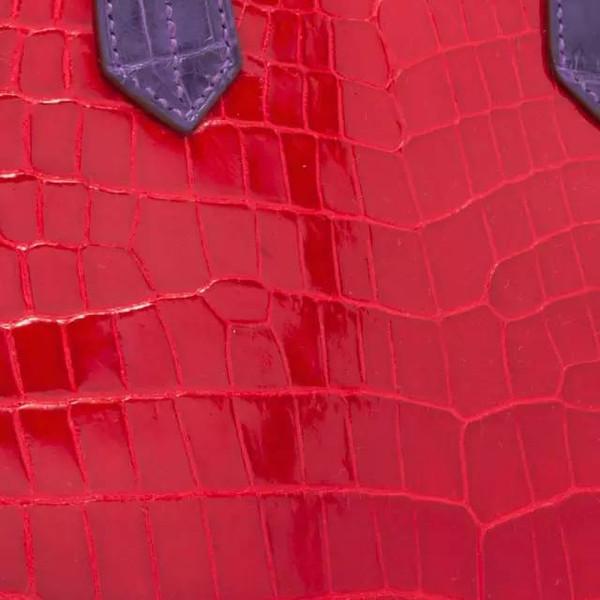
Kids, here’s a cool fact: you can tell it’s Niloticus crocodile because Hermès puts a special mark that looks like two dots (¨) next to the Hermès name stamp . This leather holds bright colors really well, making your bag look super colorful and amazing !
But be careful! Just like all crocodile leathers, you need to keep it away from water. If it gets wet, it can get permanent spots that won’t go away, kind of like when you spill juice on your favorite shirt .
21. Matte Porosus Crocodile
Matte Porosus Crocodile is like the king of all Hermès leathers! It comes from special crocodile farms in Australia . The word “matte” means it’s not shiny – it has a soft, velvety look instead.
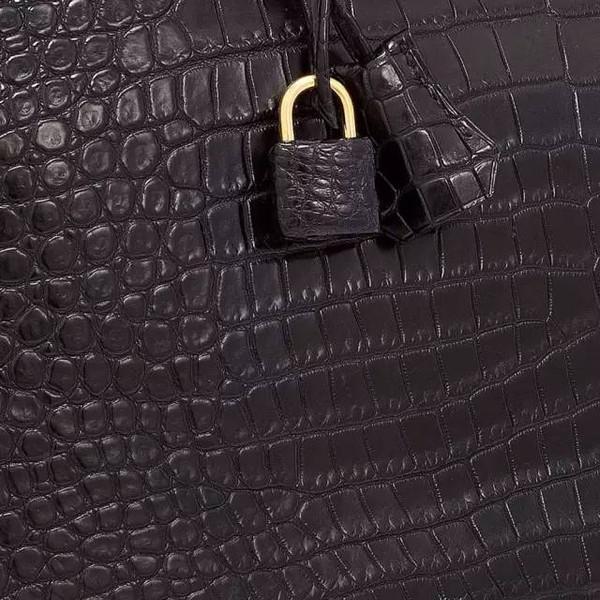
This leather is super duper expensive – the most expensive leather Hermès uses! The scales on Porosus crocodile are smaller and more even than the Niloticus kind, and each scale has a tiny little pore in the middle . To make the matte finish, Hermès craftspeople use special wool felt and polish it with machines .
Here’s another cool way to spot it: Porosus crocodile has a special mark that looks like a little hat (^) next to the Hermès stamp . Just like with all crocodile leathers, you have to keep it super dry! Water is its worst enemy and can ruin it forever.
22. Shiny Porosus Crocodile
Shiny Porosus Crocodile is the glamorous cousin of Matte Porosus! It comes from the same Australian crocodiles, but it’s given a special treatment to make it super shiny and glossy .
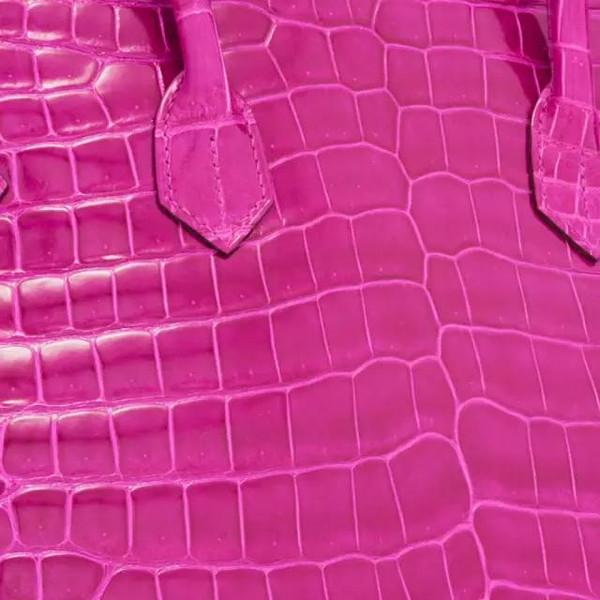
To make this leather so shiny, Hermès craftspeople polish it with a special stone called agate. It’s like they’re giving each bag a super fancy spa treatment!
Funny enough, even though it looks fancier, the shiny version is actually a bit less expensive than the matte version. It’s still super pricey though! Just like its matte brother, it has the same tiny pores in each scale and the same special (^) mark next to the Hermès stamp .
23. Sikkim
Sikkim leather feels like touching a cloud! It’s made from calf leather (that means from baby cows) and is super thin and lightweight . If you compare it to Swift leather, they’re kind of like cousins, but Sikkim is even lighter and thinner.
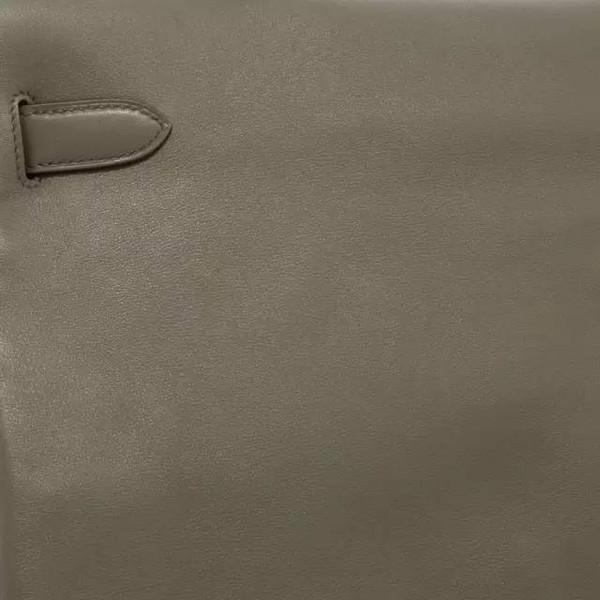
This leather was first introduced in 2011 and has almost no grain (those are the little bumps you feel on some leathers) . When you touch it, it feels buttery soft and silky smooth. Because it’s so soft, bags made from Sikkim tend to be a bit slouchy – that means they don’t stand up super straight, they kind of relax like you do when you’re chilling on the couch !
One thing to remember: Sikkim scratches pretty easily, so you need to be extra careful with it. It’s like having a super soft teddy bear that you need to treat gently .
24. Sombrero
Sombrero leather is one of the newer kids on the Hermès block! It was introduced in 2011 and is made from calf leather . The name might make you think of those big Mexican hats, but this leather doesn’t look like a hat at all!
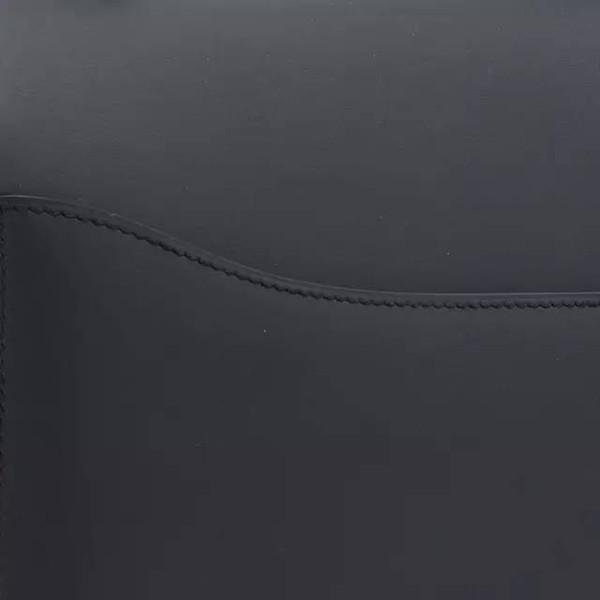
What makes Sombrero special is its super soft feel combined with a cool matte finish that isn’t shiny . When you touch it, it feels smooth and delicate, but it’s actually pretty strong too! Hermès sometimes uses Sombrero leather for bags that need to keep their shape, like the Kelly Sellier or Constance .
Just like with Sikkim, you need to be careful with Sombrero because it can get scratched. But with proper care, a Sombrero leather bag can be your friend for many years !
25. Tadelakt
Tadelakt leather is like magic! It was introduced in 2007 and has a super smooth surface with no grain at all – that means no bumpy texture . It looks a bit like the famous Box leather, but many people say Tadelakt is actually more durable and has just the right amount of shine – not too much, not too little!
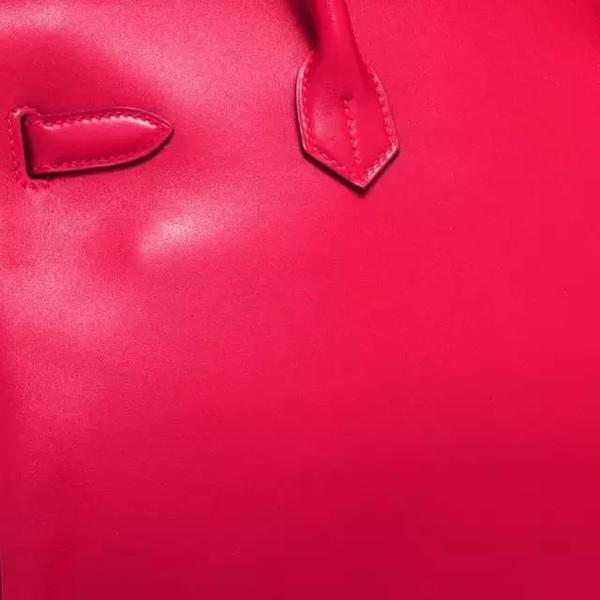
The coolest thing about Tadelakt is how it shows off colors. When Hermès makes bright-colored bags with this leather, they look AMAZING! The colors pop and sometimes even have a special rainbow-like shine called “iridescent” . It’s like how a soap bubble sometimes shows all the colors of the rainbow!
Tadelakt does need special care though. You should keep it away from water because it can blister (that means get bumpy spots), and it can get scratched. But the good news is that many scratches can be buffed out, and if your bag needs serious help, the Hermès spa can fix it up . With proper care, Tadelakt will keep its shape for years and years!
26. Vache Liegee
Vache Liegee is like the superhero of Hermès leathers! It’s the thickest leather they use, which makes it super strong and sturdy . The name “Vache” means cow in French, so this is a type of cow leather.
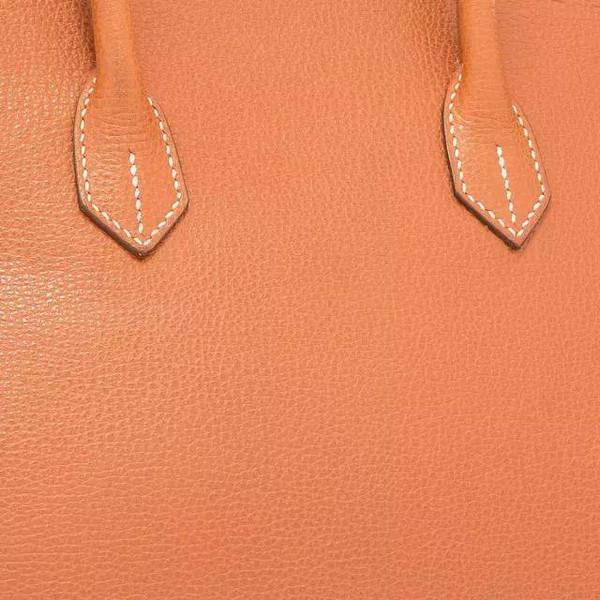
Hermès introduced Vache Liegee in 2004 to replace another leather called Ardennes . What makes it special is how it’s made – the leather is stretched and stretched many times during preparation, which gives it that flat, rigid feel .
Bags made from Vache Liegee keep their shape super well – they stand up straight and proud! This leather is also water-resistant and scratch-resistant, making it perfect for bags you want to use a lot . If you want to identify Vache Liegee, look for small soft grains that feel nice to touch and an overall sturdy feeling .
27. Vache Natural
Vache Natural is like the leather that tells a story! It’s a smooth, untreated leather that shows all of its natural beauty . “Natural” means Hermès doesn’t add a lot of chemicals or treatments to it – they let it be its true self!
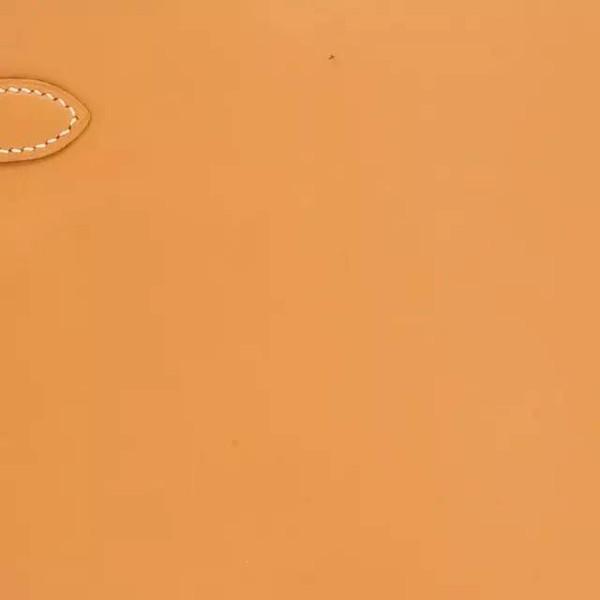
This leather is super special because it gets better looking the more you use it. It’s kind of like how your favorite stuffed animal sometimes looks more loved and special after you’ve had it for a long time. The fancy word for this is “patina” – it means the natural darkening and character that develops over time .
Vache Natural is considered pretty delicate – it can get stained and scratched easily, and if it gets wet, it can develop spots. The handles of bags made with this leather will darken with use as they absorb the natural oils from your hands. But if you take good care of a Vache Natural bag, it can last for many decades and become a true treasure !
One cool way to spot Vache Natural bags is by their distinctive color and special white stitching that stands out against the leather . They’re truly one-of-a-kind pieces that leather lovers treasure!
© Copyright notes
The copyright of the article belongs to the author, please do not reprint without permission.
Related posts





No comments...