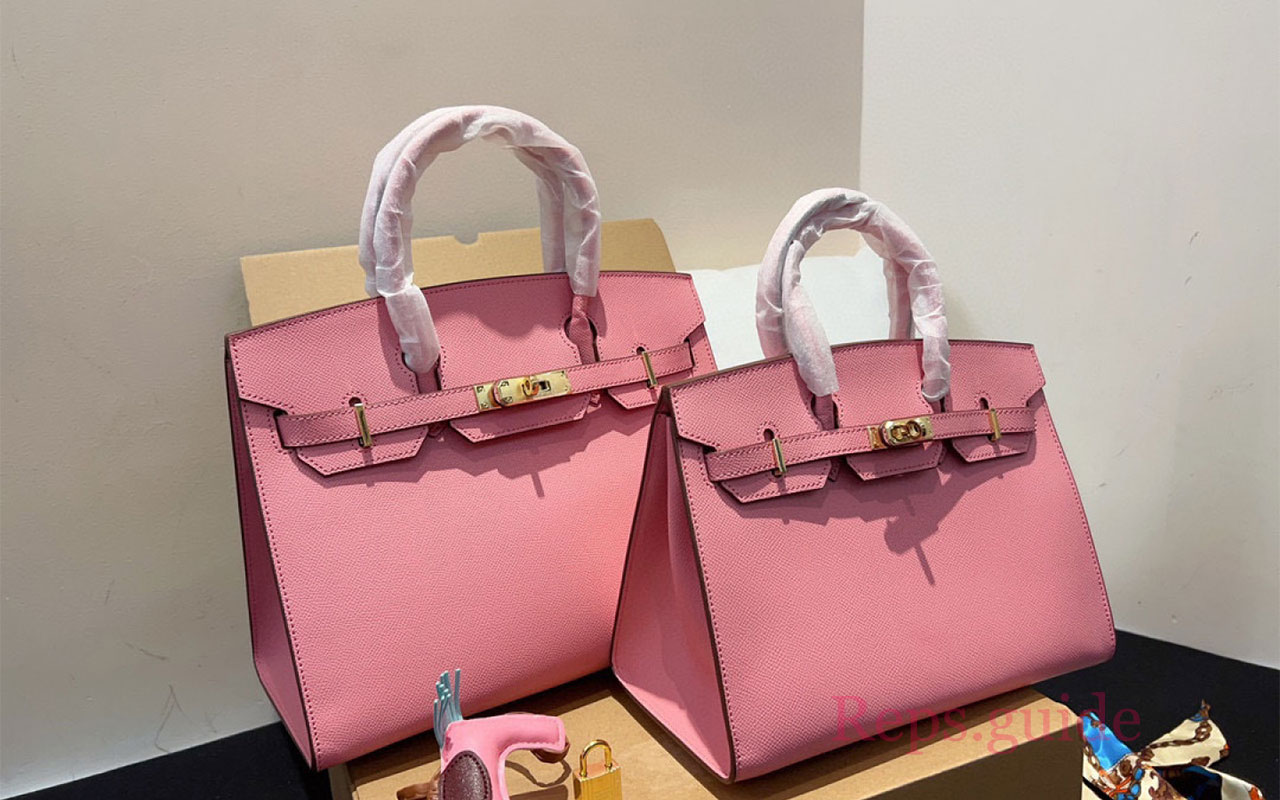
Amazing Hermès Facts You’ve Never Heard Before!

These super interesting Hermès facts are ones you’ve definitely never heard before! Let’s check them out together!
Secret Fact #1: The Italian Connection
People say that Italians don’t really like the Hermès brand. This might sound weird since Italy is famous for fashion and luxury goods! But because of this, shoppers can find some unexpected treats when buying Hermès products in Italy. They might find special sales or discounts that aren’t available in other countries. Even better, it’s actually easier to buy classic Hermès bags in Italy than in places like Paris or New York, where waiting lists can be years long!
Why don’t Italians love Hermès as much as people from other countries? Some fashion experts think it’s because Italy has its own amazing luxury brands like Gucci, Prada, and Fendi. Italians are super proud of their own fashion houses and often prefer to support them instead of French brands like Hermès.
This creates a perfect opportunity for tourists visiting Italy who love Hermès. While locals are shopping at Italian stores, visitors can find Hermès treasures with less competition! Some smart shoppers even plan special trips to Milan or Rome just to visit Hermès stores there, hoping to find that perfect Kelly or Birkin bag that might be impossible to get in their home country.
Fashion bloggers who know this secret often share tips about which Italian cities have the best Hermès shopping. Florence and Venice are sometimes mentioned as hidden gems where the stores are less crowded and the staff has more time to help customers find exactly what they want.
Secret Fact #2: Brand Rivalries
Hermès doesn’t like Louis Vuitton (LV), and it’s not just because they’re both luxury brands competing for the same customers. The real reason is that LV once tried to take over Hermès in a sneaky way! This is called a “hostile takeover” in business language. But Hermès fought back and managed to stay independent.
On the other hand, Hermès really likes Chanel. These two famous French brands share a special friendship because they both almost became victims of LV’s takeover attempts. LV’s parent company, LVMH (which stands for Louis Vuitton Moët Hennessy), is known for buying up smaller luxury brands. Both Hermès and Chanel have worked hard to stay independent and family-owned.
This business drama started in 2010 when LVMH secretly bought lots of Hermès shares, suddenly announcing they owned 17% of the company! The Hermès family was shocked and worried about losing control of their 180-year-old family business. They created a special company structure to protect themselves from takeovers and took LVMH to court. After years of fighting, LVMH finally agreed to sell most of its Hermès shares in 2014.
The battle between these luxury giants was big news in the fashion world. Some customers even chose sides, deciding to only buy from either Hermès or LV based on this corporate fight! Fashion magazines covered the story for years, calling it one of the most dramatic business battles in luxury fashion history.
Today, Hermès and Chanel sometimes work together on special projects and events, showing their friendly relationship. Meanwhile, there’s still a chilly feeling between Hermès and LV, even though they’re both hugely successful brands that many people dream of owning.
Secret Fact #3: Crocodile Skin Standards
Hermès has extremely high standards for the crocodile skins they use in their products. Everyone knows that many expensive Hermès bags are made from crocodile skin. The quality of the skin – how perfect and unbroken it is, and the pattern of the scales – directly affects the price of the bag. If the pattern of the scales looks really good, then the bag will naturally cost more money.
To make just one classic Hermès Birkin bag, craftspeople need at least three perfect crocodile skins! Finding three skins that match perfectly in color and scale pattern is incredibly difficult. Hermès inspectors reject about 90% of the skins they examine because they don’t meet the company’s super strict quality standards.
The crocodiles used for Hermès bags are raised on special farms where they’re given excellent care to make sure their skins develop the best possible texture and pattern. These farms are regularly checked to make sure they follow animal welfare rules, though some animal rights groups still criticize the use of exotic animal skins in fashion.
The process of turning raw crocodile skin into the soft, luxurious leather used for Hermès bags takes many months and involves more than 20 separate steps. Special artisans who have trained for years handle the delicate work of cutting, treating, and dyeing the skins. They use secret techniques that have been passed down through generations of leather workers at Hermès.
The most expensive Hermès bag ever sold was made from a rare white Himalayan crocodile skin. It sold for over $500,000 at an auction! The special white color comes from a process that removes all pigment from the skin, making it extremely rare and difficult to create.
Secret Fact #4: The Famous Orange Color
Everyone knows that Hermès’ signature color is orange, but it wasn’t always that way! Originally, the company used creamy white packaging that was considered a symbol of luxury and wealth. However, during World War II, everything changed.
Because of the war, there were shortages of many materials. The creamy white cardboard that Hermès used for their packaging wasn’t available anymore. The only color they could find was orange! With no other options, they started using orange boxes for all their products.
What started as a problem turned into one of the most recognizable brand symbols in the world. Today, the specific shade known as “Hermès orange” is officially called “Orange Box” and is protected by trademark. That means no other company can use exactly that shade of orange for similar products.
The orange boxes have become so famous that many Hermès customers keep them forever, using them to store jewelry, letters, or other special items. Some people even display the empty boxes as decoration in their homes! On social media, you can find thousands of photos of the distinctive orange boxes with their brown ribbons, often posted by excited customers who just bought something from Hermès.
The company now produces over 5 million orange boxes each year. They’re made by a special factory in France that uses environmentally friendly materials and processes. Each box is carefully crafted to be sturdy enough to protect the luxury items inside while also being beautiful enough to keep as a souvenir.
Fashion experts say that the Hermès orange box is one of the most successful “packaging as marketing” stories in retail history. What started as a wartime compromise became one of the most recognized symbols of luxury in the world!
Secret Fact #5: The Amazing Silk Scarves
Hermès silk scarves are absolutely gorgeous. From design to production, each scarf takes a full two years to complete! They’re created by more than 40 top designers from around the world. Every single scarf has its own special story, which is why many people frame them like famous paintings and hang them in their homes.
The tradition of Hermès scarves began in 1937, and since then, more than 2,000 different designs have been created. The company releases two collections each year, with about 20 new designs in each collection. Some designs become so popular that they’re brought back in new colors year after year.
The silk used for these special scarves comes from a specific type of silkworm raised in Brazil. It takes about 250 cocoons to make enough silk for just one scarf! The raw silk is shipped to Lyon, France, which has been famous for silk production for hundreds of years.
Before printing begins, artists create detailed drawings that are then separated into different screens – one for each color in the design. Some Hermès scarves use up to 45 different colors! Each color is applied separately, and the silk must dry completely between applications. This careful process ensures that the colors stay bright and beautiful for decades.
The edges of each scarf are hand-rolled and hand-stitched by skilled artisans, creating the distinctive rolled hem that Hermès scarves are known for. A single person works on each scarf, and it takes about 30 minutes just to complete the hem! Experts can tell an authentic Hermès scarf just by looking at this hand-rolled edge.
Famous people throughout history have loved Hermès scarves. Queen Elizabeth II was often photographed wearing them, usually tied under her chin while riding horses or walking her dogs. Audrey Hepburn, Grace Kelly, and Jackie Kennedy all wore them in different ways – as headscarves, neck scarves, or even as tops!
Today, Hermès continues to collaborate with artists, illustrators, and designers from around the world to create new scarf designs. Some collectors own hundreds of different Hermès scarves and trade information about rare designs online. The most expensive vintage Hermès scarf sold at auction went for nearly $10,000!
Beyond being fashion accessories, these scarves have become a form of wearable art. The company even published a book showcasing the most beautiful designs from their archives. Some of the most popular themes include horses (a nod to the company’s origins making horse harnesses), exotic animals, historical maps, and botanical illustrations.
Hermès scarves are so well-made that they often become family heirlooms, passed down from mothers to daughters across generations. With proper care, the silk and colors can remain beautiful for decades, making them not just a fashion purchase but a long-term investment in beauty and craftsmanship.
These five amazing facts show why Hermès is such a special brand with so much history and tradition behind it. From its famous orange boxes to its stunning silk scarves, from its high standards for materials to its interesting relationships with other luxury brands, Hermès continues to fascinate fashion lovers around the world!
© Copyright notes
The copyright of the article belongs to the author, please do not reprint without permission.
Related posts




No comments...