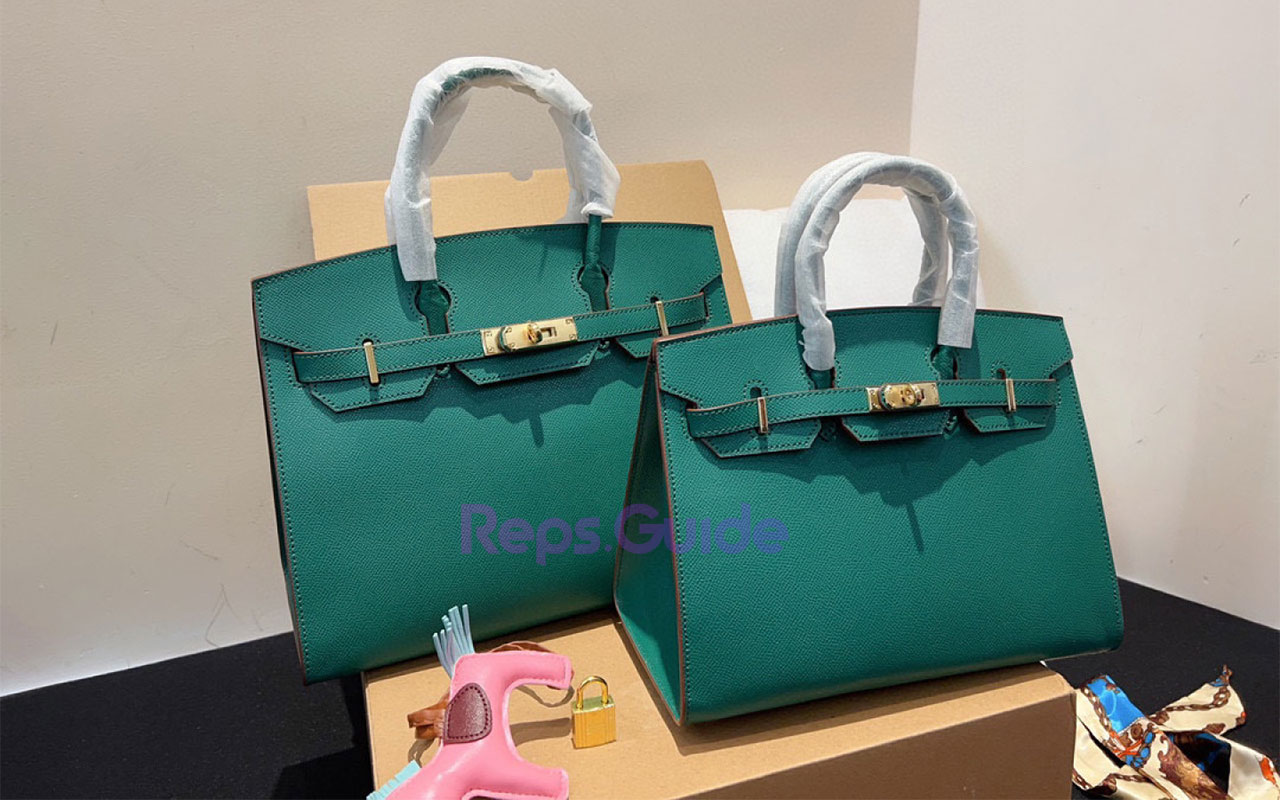
The Hermes Birkin Bag Guide: Everything You Need to Know
After years of helping people choose handbags, here are some entry-level Birkin bags that are timeless, durable, and easy to match with different outfits.
Let’s start with the three classic colors that never go out of style:
Black is always classic and suitable for all occasions. It’s casual yet versatile. This color combines softness with strength – no wonder it’s the favorite of wealthy people! It matches their status while being practical.
Elephant Grey is the most fashionable color with a soft beauty. This grey works with both warm and cool colors, perfect for office or school outfits.
Gold Brown is a basic piece with an old-money feel. It has a warm autumn/winter feeling and looks best with simple, solid-colored clothes.
Besides these three classic colors, there’s also Ebony which has a totally different autumn/winter vibe. It’s a very special color, and looks amazing when paired with gold brown on the inside!
Other popular colors include various grays, whites (which have recently become so popular that prices jumped to $170,000), and the lucky green that helps with business success and emotional stability – suitable for both men and women.

All About Birkin Bags
Sizes and Styles
The common Birkin bags come in four sizes: 25cm, 30cm, 35cm, and 40cm.
The Birkin family also has two special sizes: 20cm and 45cm.
The 45cm is the travel version with longer handles.
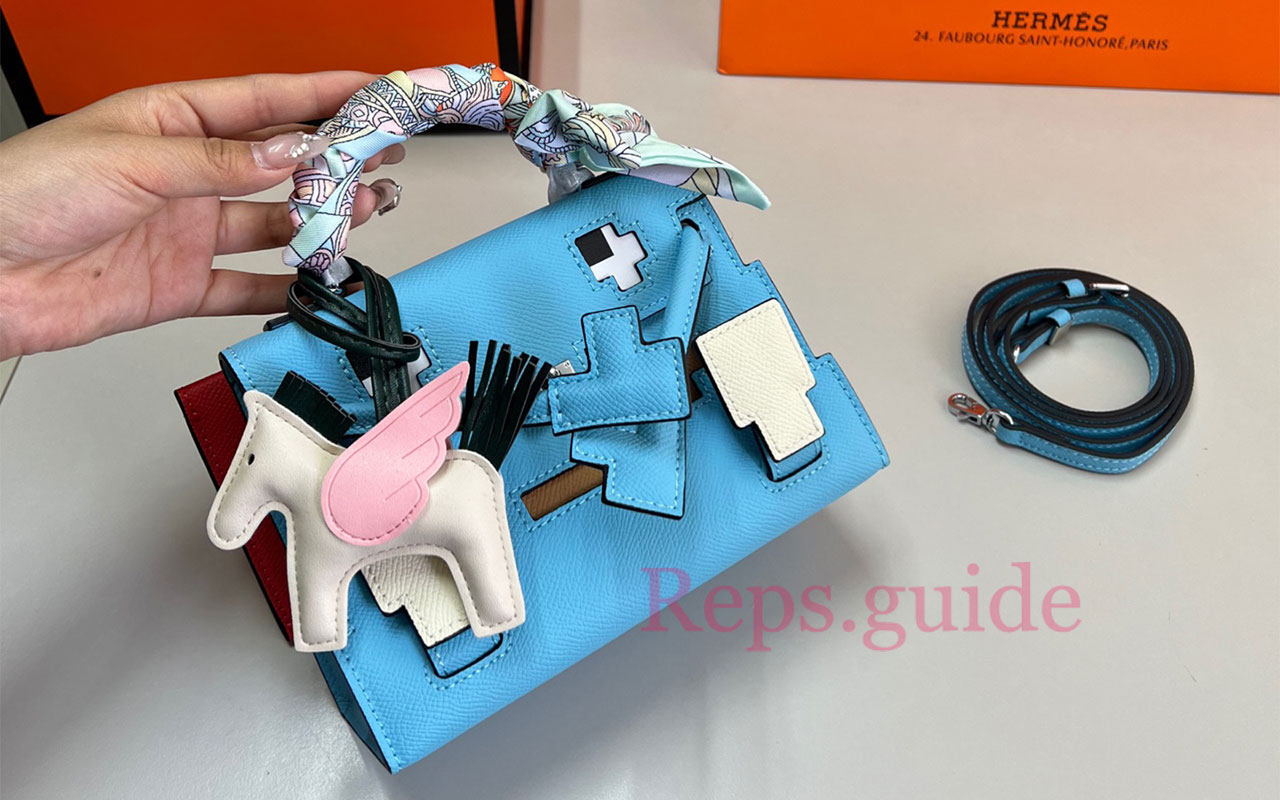
The 20cm is a newer size that first appeared in the “Petit H” collection, mostly made with exotic leathers and visible stitching on the outside.
Here’s a real store photo of a 20cm crocodile skin Birkin. Starting in 2023, this size became available in regular leathers, which caused lots of debate. Many people thought 20cm regular leather Birkins were fake simply because they hadn’t seen them before.
Many people, even Hermès store staff, might wrongly claim something is fake just because they haven’t seen it before.
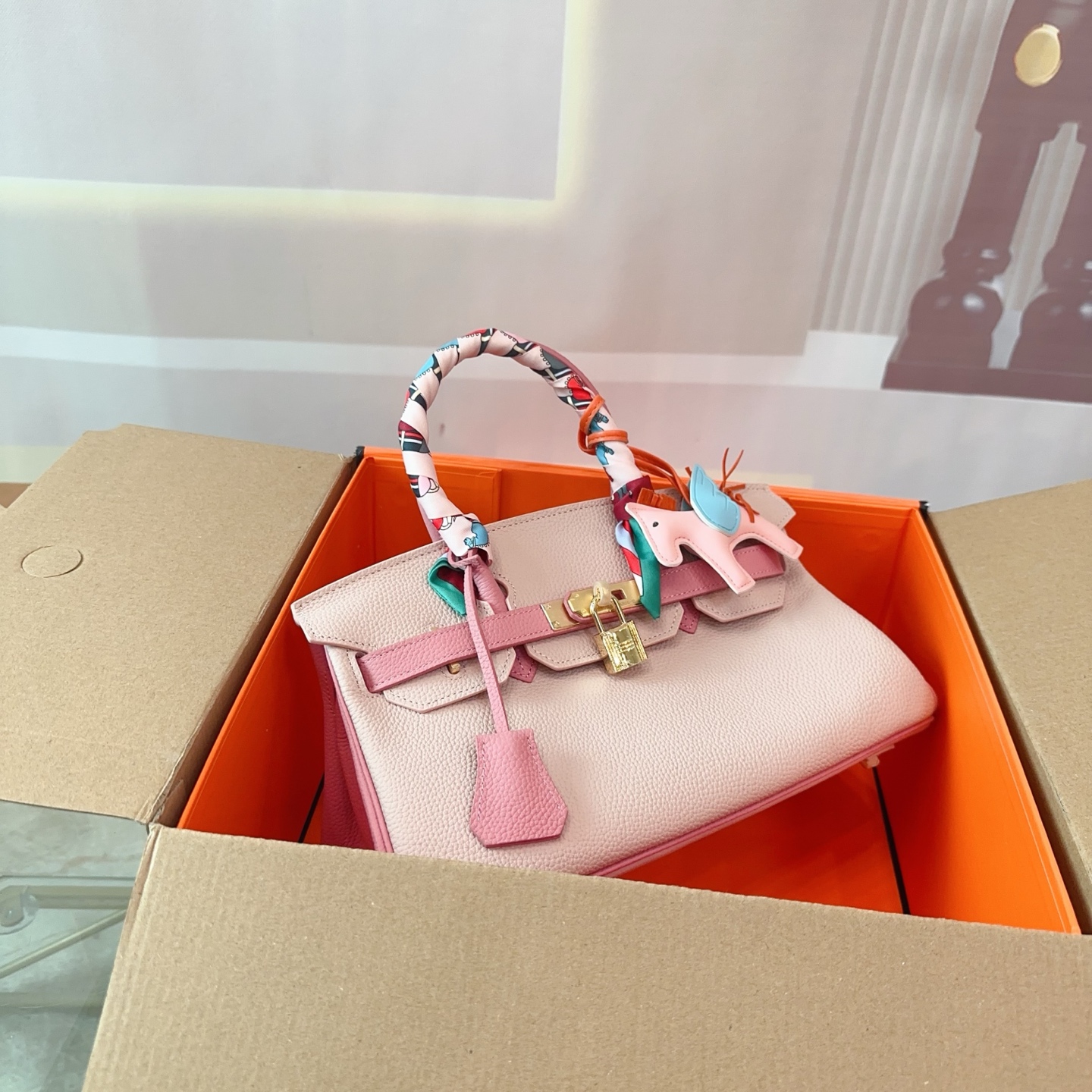
Store assistants are just salespeople – they don’t always know everything about their brand’s products!
This shows you shouldn’t worry too much about whether others think your bag is real or fake. Even professional store staff can make mistakes, not to mention regular shoppers.
Using a bag with confidence comes from having enough knowledge, money, and even social status.
As mentioned earlier, most 20cm bags have visible stitching on the outside. Currently, there’s no news about 20cm bags with hidden stitching on the inside.
But hidden stitching is the classic Birkin style – the very first Birkins had hidden stitching.
Originally, all 25-45cm bags had hidden stitching, while visible stitching was mainly for Kelly bags. Later, Kelly bags started appearing with hidden stitching, and Birkin bags with visible stitching.
How to Tell the Difference Between Hidden and Visible Stitching
It’s easy to tell them apart by looking at the bag’s edges:
Visible stitching means two pieces of leather are placed flat together, sealed with edge coating, and stitched together. The stitching is visible on the outside but not inside.
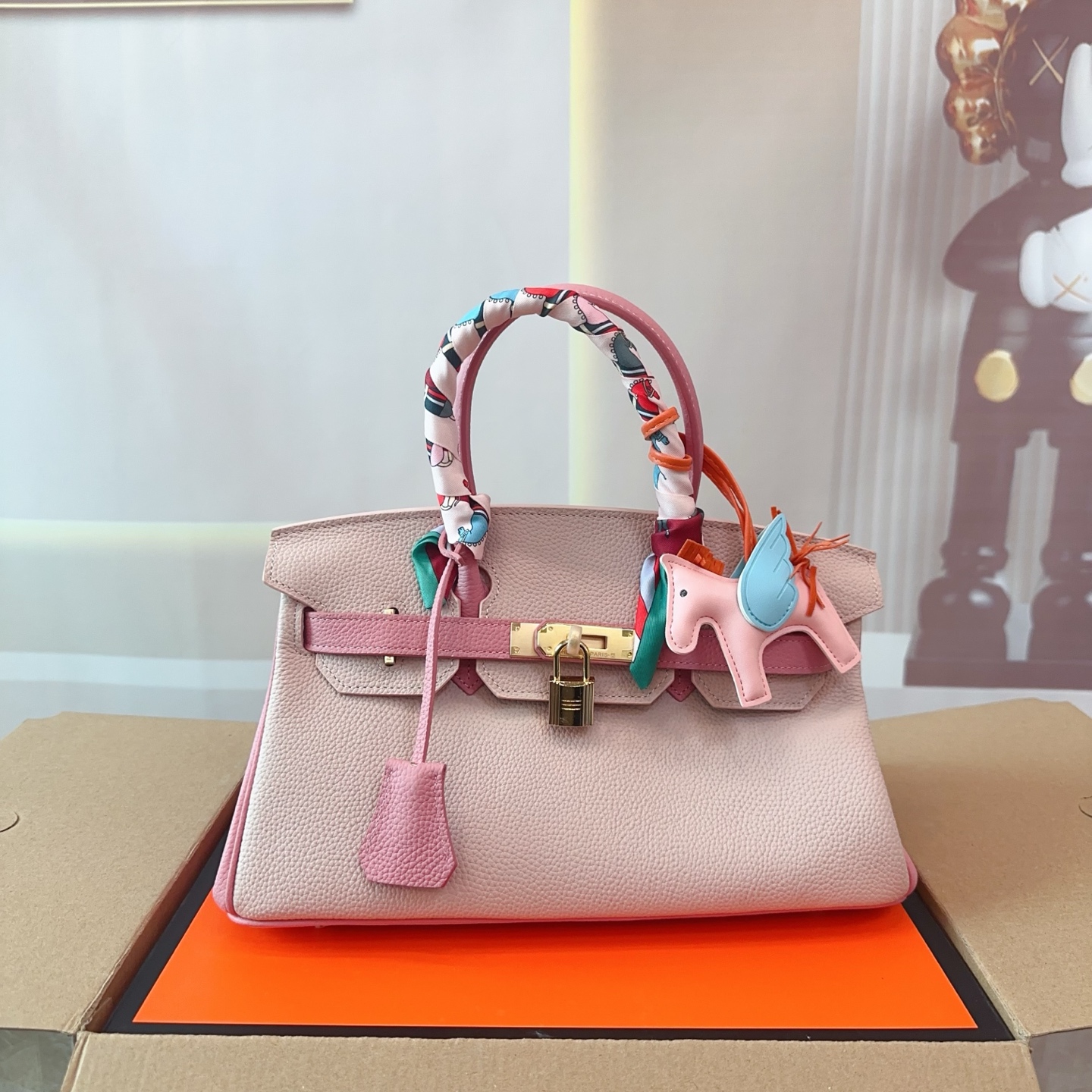
Hidden stitching has no visible edge coating, stitching, or needle holes on the sides, but has a leather ridge. The stitching is visible on the inside.
Some bloggers incorrectly teach people to check the top part (the flap) to tell the difference, but this doesn’t work. The flap design is the same for both styles – both have visible stitching and edge coating. So don’t blindly trust everything you read online. A brand has lots of details, and people who don’t know much can easily misunderstand things.
Materials
Hermès uses many different leather types. Each bag style has common leather types, and the brand regularly adds new leathers or discontinues old ones, creating limited edition styles.
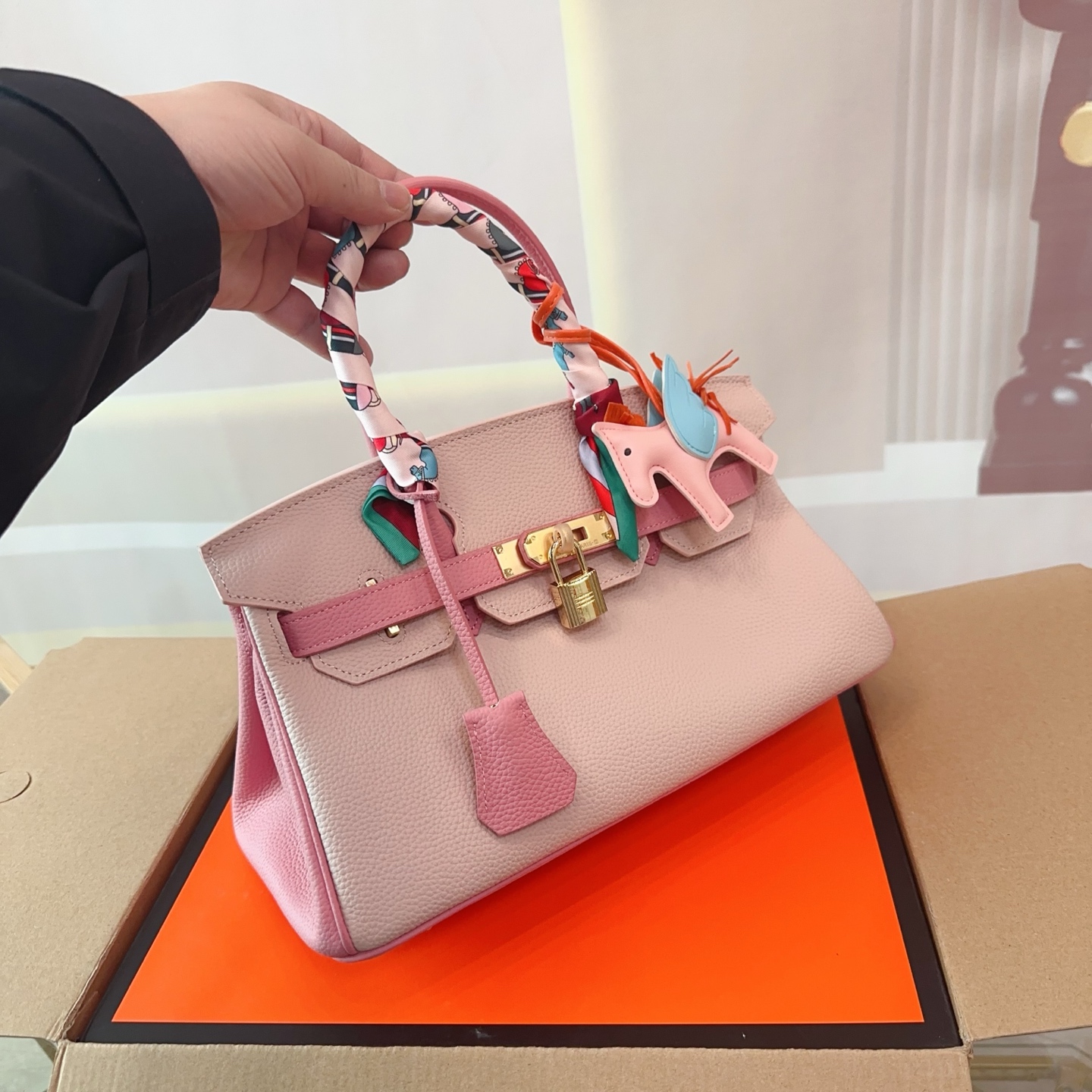
For example, visible-stitched Birkins commonly use Epsom leather (or “Ep” for short), which was previously common for Kelly bags. It has a palm-print texture, is thin and firm, not oily or shiny, and has a matte, slightly rough feel that helps the bag keep its shape.
Visible-stitched bags also come in Box leather and Madame leather. For beginners wondering what to choose, Epsom is recommended because it’s the easiest to find and won’t raise eyebrows from people who don’t know much about Hermès. The classic leather for each style is always the most versatile and stands the test of time – it won’t look dated and will become more beautiful with use.
Luxury items might seem expensive to people without enough money, but for their target customers, they’re just everyday items meant to be used up. Serious collectors and experienced users don’t treat basic classic leathers as treasures – they just use them casually. To them, $100,000+ isn’t much money, so a bag at that price is just an ordinary bag to them. Therefore, it’s recommended to choose durable, frequently used classic leathers and let the bag serve you. Luxury items should not only be affordable to buy but also to use.
The most famous leather for hidden-stitched Birkins is Togo leather, which is also the bestselling Birkin leather. It’s oily, soft, and elastic, giving the bag a bouncy yet sturdy feel. It expands well, and while it may soften and sag after long use, this adds a casual feel that many old-money people love. They enjoy using basic luxury items for a long time, developing a used, aged look.
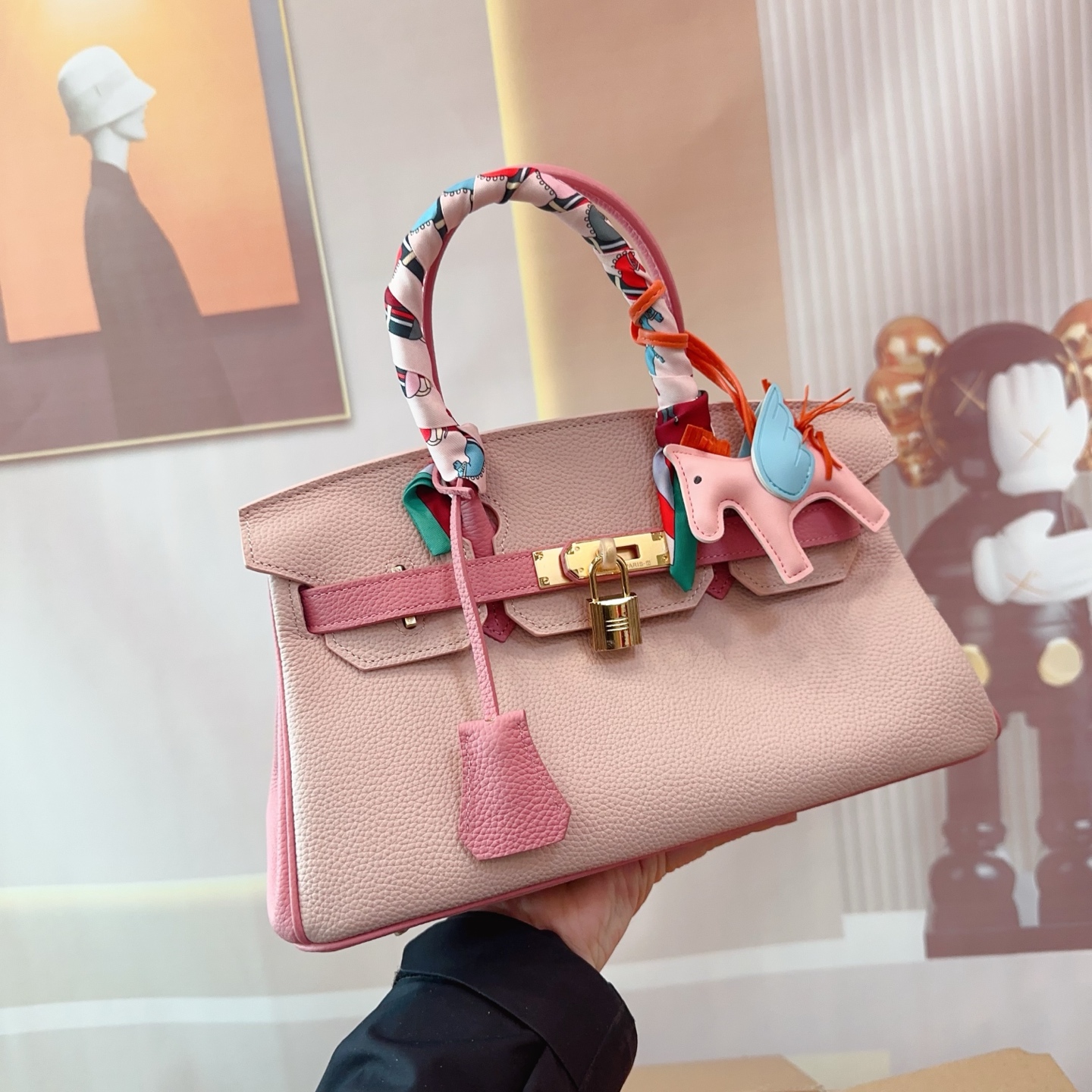
Besides Togo, there’s also Barenia leather, Box leather, Swift leather, and even canvas versions. Again, Togo is recommended for first-time buyers because it’s the most durable. The Birkin design is meant for convenient use and carrying many items, so a durable leather matches this purpose best. Plus, Togo’s grain texture doesn’t easily show scratches – it’s hard to create visible wear unless scratched by sharp objects. The other three leathers have smooth textures that easily show wear and scratches, and not everyone can accept this used look. Most people who choose these three leathers already own a Togo or Epsom Birkin or Kelly.
Weight
The weight of hidden and visible stitched bags, using the 25cm as an example, ranges from 590-705g, about one pound. This is lightweight for all-leather bags, with sizes 35cm and above being heavier. That’s why most people choose 25cm and 30cm. The 30cm weighs about 1kg, 35cm about 1.26kg, and 40cm about 1.5kg.
Capacity
Naturally, larger sizes have more capacity. If you don’t need to carry large electronic devices like laptops, iPads, or A4 folders, the 25cm is usually enough. If you do carry these larger items, the 30cm is completely sufficient.
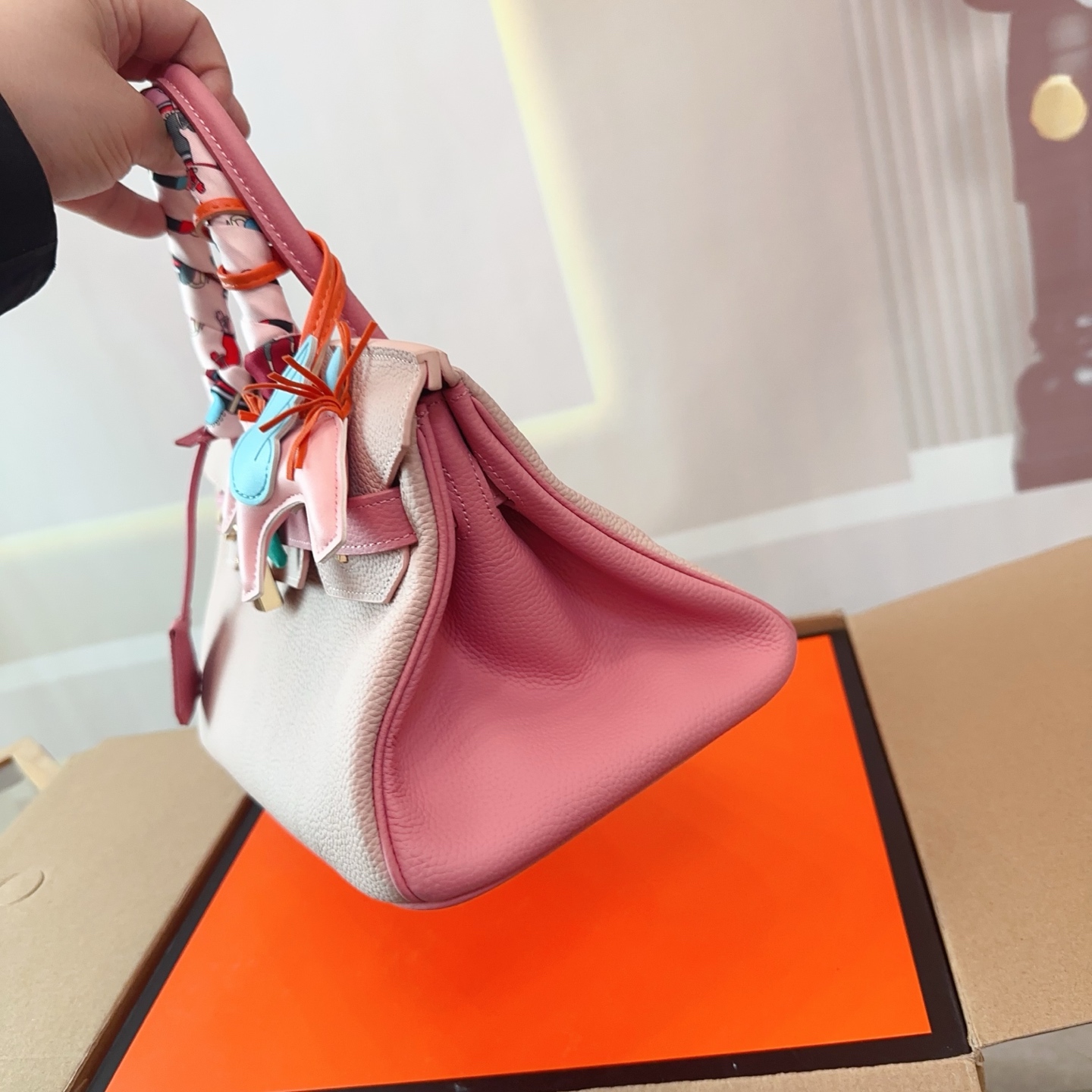
Because the classic hidden-stitched Birkin can open wide with expandable sides, its actual capacity is larger than its dimensions suggest.
This shows that besides size, the stitching style also affects capacity. Hidden-stitched bags have bulging sides, can open wider, and the sides can expand somewhat. Visible-stitched bags have concave sides, limited opening (similar to Kelly bags), and non-expandable sides, so they can only hold items up to their actual dimensions. Visible-stitched bags often use firmer leathers like Epsom, so they might bulge if overpacked, which is somewhat limiting.
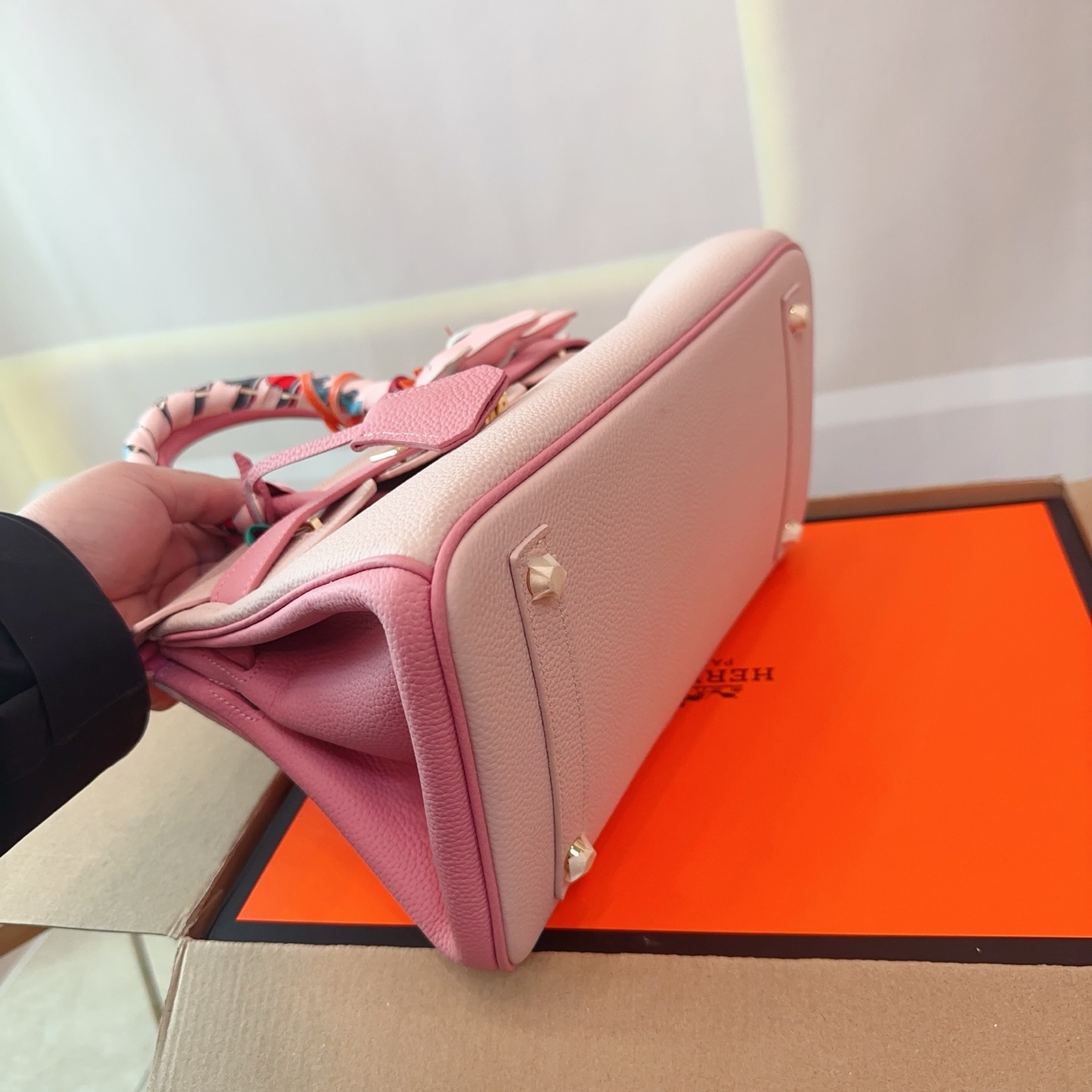
If you want more versatility, larger capacity, or a more casual style, choose hidden stitching – it’s the most popular style.
If capacity isn’t a major concern and you prefer a more crisp or slightly elegant look, choose a size based on your items plus visible stitching.
Final Price After Purchase Requirements
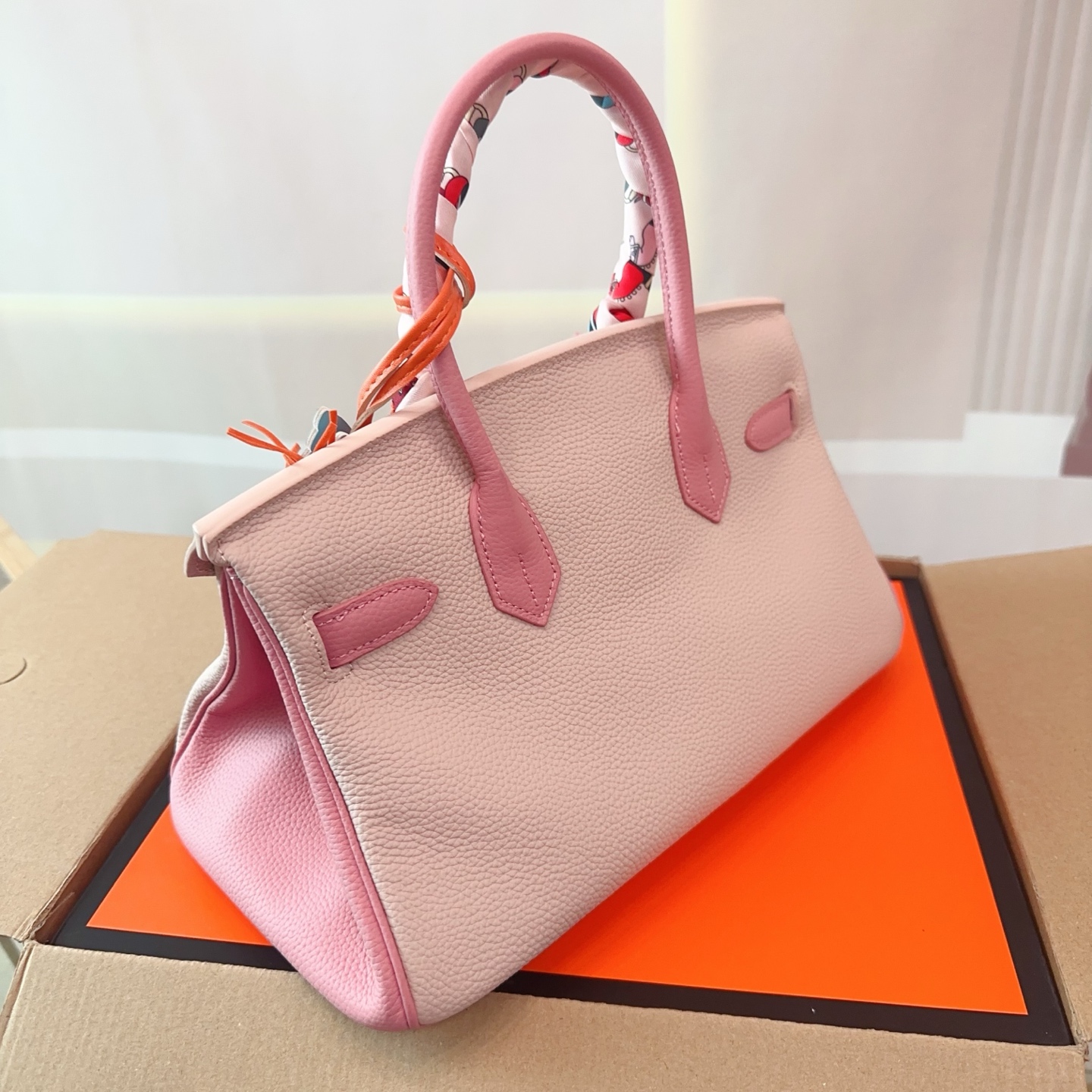
The final price for a Birkin 25 from an official store is about $250,000-350,000, though some people pay even more. Many spend $300,000-400,000 before getting a bag – it depends on the sales associates’ conscience. The market price is about $170,000-180,000, varying by color.
Exotic crocodile skin bags cost several hundred thousand dollars and require spending records of millions before you can buy one.
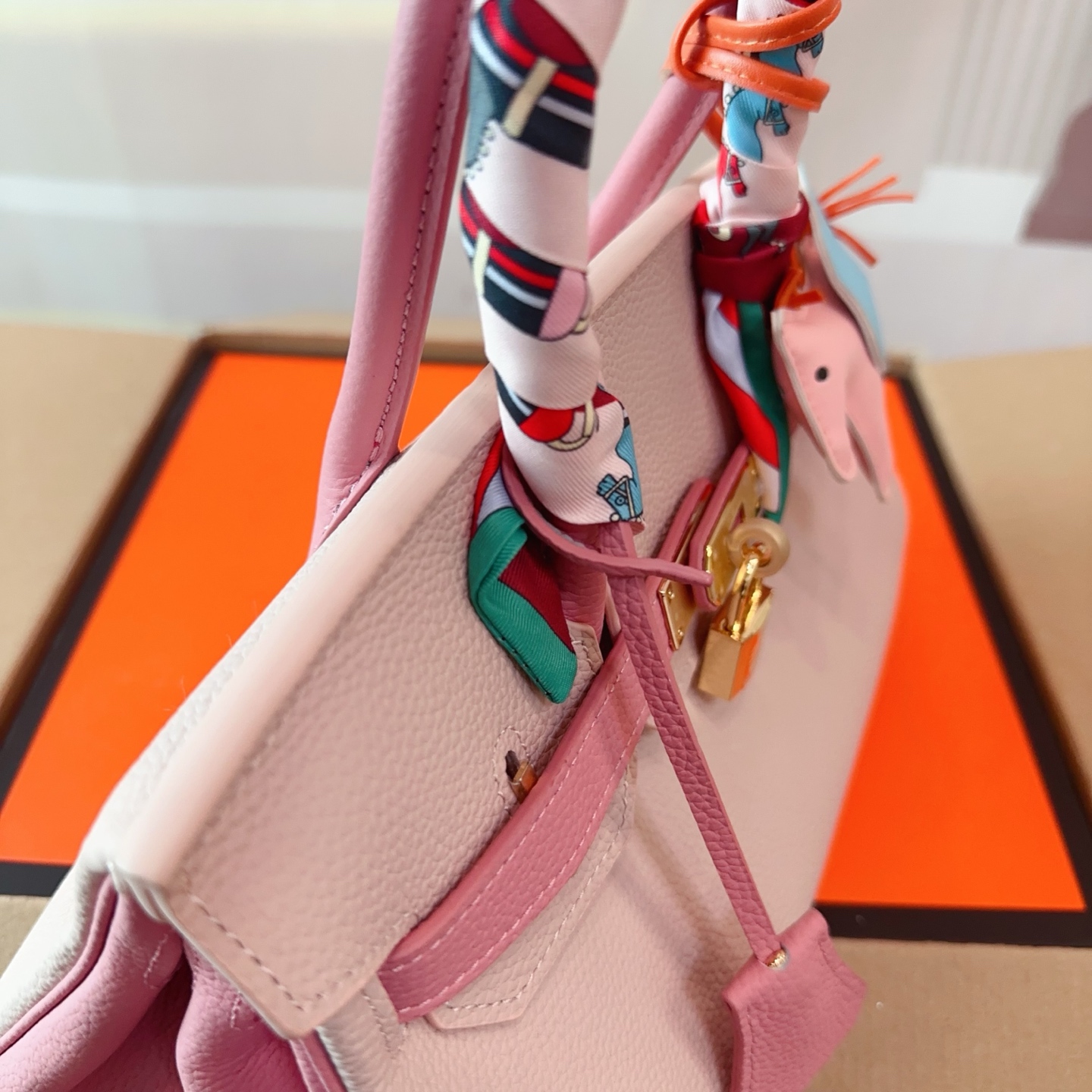
The final price for a Birkin 30 from an official store is about $240,000-300,000, though again, some pay more. One customer recently spent over $200,000 on other items before getting a Birkin 30, totaling over $300,000. They complained about feeling trapped – if they didn’t buy more, they’d waste their purchase allocation, but continuing meant being taken advantage of.
Everyone who gets a bag from an official store has to buy many other items to build up their spending total. A bag might cost over $100,000, but you might need to spend several hundred thousand or even millions more.
In comparison, our basic leather Birkin costs under $20,000 even for the largest 40cm size, with classic 25cm and 30cm sizes just over $10,000 – we just charge for craftsmanship and the best materials, with no markup or purchase requirements. You get exactly what you pay for without extra costs. Even from a financial perspective, this minimizes losses and costs while maximizing practicality and other benefits.
Value Retention
Value retention relates to market acceptance – it’s a direct relationship. Items the market desires will have value, regardless of the size of that market. Items the market doesn’t desire will have no resale value, no matter how high the original purchase price. It’s like the futures market. Acceptance can be broken down in several ways:
Style Value-retaining styles are mainly the BKC series: Birkin, Kelly, and Constance. Within these series, some new and rare styles may be hyped up with price premiums in the short term, and they retain or even increase in value in the short term (if you don’t count the purchase requirement costs).
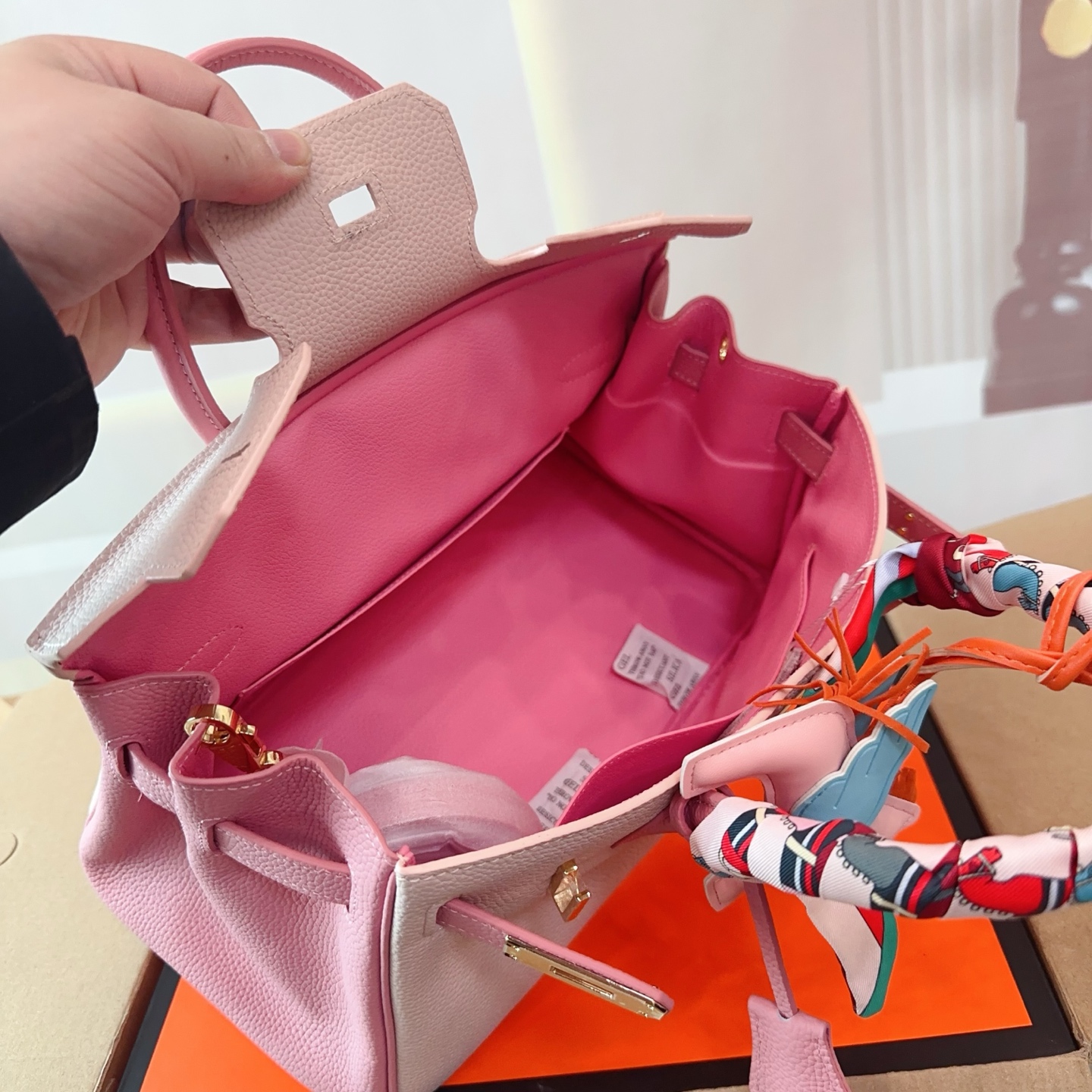
Collector’s items can be priced up to $1.1 million in the short term, but drop to $400,000 within two years. Recent popular “Petit H” prices have also declined.
Within Birkin, the most circulated are entry-level bags: classic leathers in classic colors, classic sizes 25cm-30cm, and the emerging 20cm size.
Leather Birkin leathers include Togo, Epsom, Swift, Box, Barenia, and others.
The best value-retaining combination is Togo with hidden stitching. Birkin + Togo leather + hidden stitching has been around so long that people consider it the official configuration. Compared to other smooth leathers, Togo and Epsom are more durable. Togo has a soft texture, has been around a long time, and has high acceptance, so it retains value well. (Value retention doesn’t mean value increase – you’ll still lose money when selling after use. It just means the price doesn’t drop as much, staying relatively stable.)
Hermès has many leather types, with Togo being most common for Birkins.
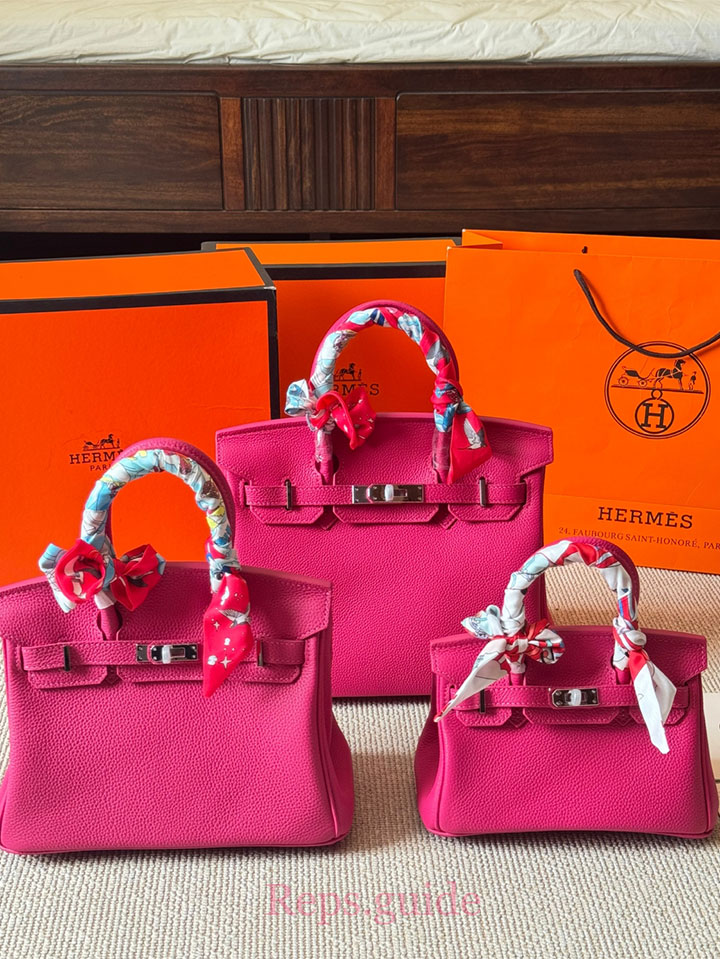
In terms of the bare bag’s value, only newly acquired hot styles, colors, and sizes sold immediately can achieve a selling price higher than the purchase price. But once you factor in the purchase requirements, you’ll find that breaking even is just an ideal state – losing money is the norm.
Hermès purchase requirements don’t retain value, yet they’re mandatory if you want to get a bag – the brand requires customers to buy many other items before they can get a bag.
If you sell after using the bag, it definitely won’t match the purchase price – it will drop by $20,000-30,000 or more. Unless it’s a collector’s item.
So many people, considering economic practicality or seeing through the fact that basic styles have no investment value, choose to save their purchase requirement spending for more worthwhile rare leathers, rare styles, rare colors, or other items with more purchase value. They use classic styles casually on the floor, and some customers choose custom alternatives.
Color Hermès has hundreds of colors. Only those with high acceptance, wide appeal, and large audiences have circulation and potential value retention.
Hermès has hundreds of colors, with new ones added yearly and some discontinued to become limited editions that can only be custom-made.
This is why there are so-called “classic colors” – the most popular, widely accepted colors with the largest audiences and highest recognition. Colors outside this range may not retain value or might depreciate more significantly, like Hermès Orange or Flag Red and other highly saturated bright colors. The more valuable the color, the more expensive it is and the higher the purchase requirements. Refer to the colors recommended at the beginning of this article.

Story Appeal Both Birkin and Kelly have legendary figures backing them, with stories that inspire recognition and pursuit from others.
Summary Given that even value retention involves losses and brand new basic styles are unlikely to increase in value, many choose replica products for basic configurations. This phenomenon has always existed.
Even pharmaceutical company owners who buy Himalaya bags will also get custom items.
Most people can’t imagine or accept that wealthy people also use fake goods, and there’s no reason for them to actively discuss this (so I assume anyone online who brings up this view unprompted is just a competitor trying to attract customers). The reality is that people with money (but not wealthy enough to throw away tens or hundreds of thousands like pocket change) are more likely to save money.

Wealthy mansion owners also use fake goods, but no one around them mentions or questions it.
They have enough knowledge to choose good products, enough financial strength for confidence, and save enough money to do more meaningful and valuable things. While others spend $200,000-300,000 on purchase requirements to get a bag, they spend $10,000-20,000 on a bag and use the rest for further education or investments.
Of course, I’m not talking about the old money that everyone has been discussing in recent years. Old money buys land, estates, and huge real estate – what bags they use doesn’t matter to them. Their consumption views don’t have much reference value for people in other social classes, because their asset base, social circles, and needs are different.
© Copyright notes
The copyright of the article belongs to the author, please do not reprint without permission.
Related posts



No comments...